Delight Chinedum
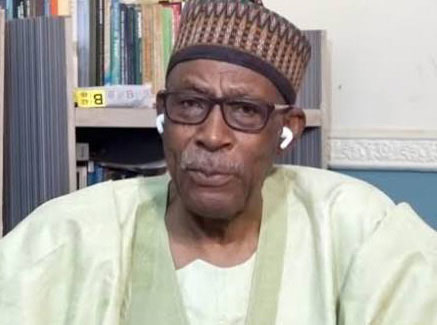
Executive Director of International Center for Investigative Reporting (ICIR), Dayo Aiyetan has urged media practitioners to embrace data, research and evidence for credible and balanced reportage.
He described such tools as critical in investigative journalism which he said had capacity of exposing and uncovering various forms of corruption and scandals in public interest.
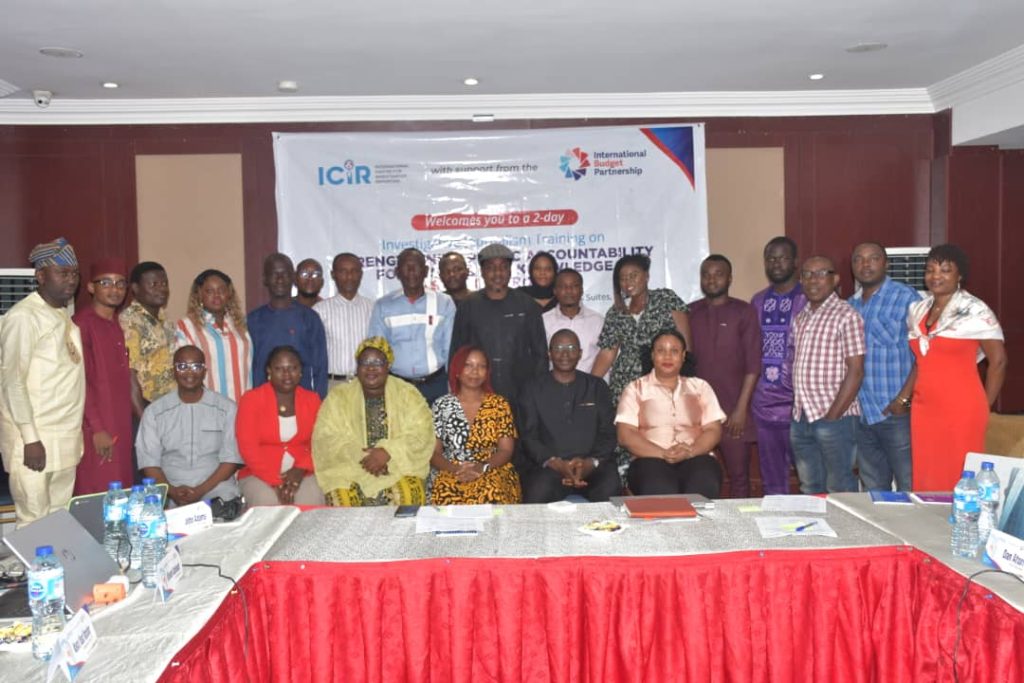
Aiyetan spoke in Abuja at the opening of a 2-day Investigative Journalism training on ‘Strengthening Public Accountability for Results and Knowledge’ (SPARK 2) project.
SPARK 2 Fellowship organised by ICIR in partnership with International Budget Partnership (IBP) for 20 senior journalists drawn from five states across the country focused on Health and Agriculture interventions.
The ICIR boss expressed the organisers’ willingness to tap from wealth of experience of the participants who he described as seasoned professionals, urging them to feel free to contribute and share their thoughts during the programme.
“I thank the IBP for its consistent support in our projects, including SPARK 1 & 2. I equally thank those of us who were part of SPARK 1 project for the incredible work you did. We’re very proud of you.
“For those who performed abysmally, I challenge you to see this opportunity as a second chance to write your wrongs by going beyond mere reporting.
“We’re expecting a whole lot from you. Please attach serious importance to what we’re doing so as to justify your inclusion and huge resources expended in the project,” he added.
The IBP Country Director, Dr. Olayinka Babalola described journalists as conscience of the nation whose reports could trigger change in the society.
On her part, Programme Coordinator, Small-scale Women Farmers’ Organisation in Nigeria (SWOFON), Ogechi Okebugwu decried growing neglect of women farmers across the country, enjoining journalists to lend support to their plights through their reports.
Earlier, Programme Officer, ICIR, Ayisat Abiona explained that the training was targeted at building participants’ capacity on investigative and impactful reporting capable of holding government officials accountable.
Other resource persons during the training were Seun Durojaiye, Hassan Taiwo and Olayinka Fatunbi who handled “Solution Journalism”, “Writing for Impact” and “Using your mobile phone for Docus” respectively.