A smart energy expert, Orebiyi Godfrey, has advocated the adoption of solar-plus-battery systems supported by hybrid energy sources to provide reliable electricity for hospitals, clinics and schools across Nigeria.
Godfrey stated this on Monday in Abuja saying combining solar power with battery storage and suitable backup sources could provide dependable electricity for critical facilities, reduce dependence on the national grid and lower operating costs associated with diesel generators.
“For hospitals, schools and clinics in Nigeria, the most effective energy solution is solar power with battery storage, ideally integrated into hybrid systems.”
According to Godfrey, frequent power outages, inadequate generation and other disruptions have made the national grid unreliable for facilities that require uninterrupted electricity.
He said hospitals and clinics needed dependable power for medical equipment, refrigeration, lighting, laboratories and other critical services, while schools required electricity for classrooms, information and communication technology laboratories and other learning facilities.
Godfrey said gas-powered generation could provide electricity for larger institutions but could also face challenges arising from pipeline vandalism, fuel supply disruptions and maintenance costs.
“Gas generation is risky without secure supply,” he said.
He added that mini-grids could provide localised electricity for community-level facilities, but their sustainability would depend on sound financing and effective management.
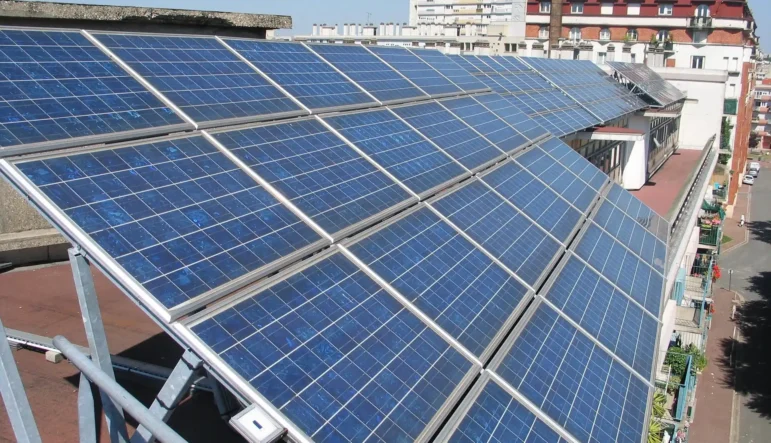
The expert said solar photovoltaic systems with battery storage as increasingly affordable and suitable for critical public facilities.
He, however, cautioned that poorly designed or inadequately maintained solar systems could fail, particularly where battery maintenance was neglected.
Godfrey therefore recommended properly designed hybrid renewable-energy systems supported by adequate funding, competent installation and regular maintenance.
He said such measures would extend the lifespan of energy infrastructure and improve reliability.
According to him, energy solutions for public institutions should be designed around their specific operational requirements rather than relying on a single source of electricity.
Godfrey stressed that improving power supply to healthcare and educational institutions would not only enhance service delivery but also reduce the financial and operational burden associated with prolonged dependence on diesel generators.
He called for greater investment in renewable-energy infrastructure as part of efforts to strengthen critical public services and improve Nigeria’s energy resilience.