

BY JENNIFER EZIMAKOR
Germany and the European Union have unveiled a new initiative aimed at cutting gas flaring in Nigeria while turning waste gas into economic opportunities through clean energy innovation.
The project, known as the German-Nigerian Flare4Value initiative, was announced in Abuja as part of this year’s Green Diplomacy Week. It seeks to support Nigeria’s efforts to reduce greenhouse gas emissions, boost industrial growth, and accelerate its energy transition.
Kristina Fuerst, Head of the German–Nigerian Hydrogen Office, said the initiative “marks a significant milestone in the German–Nigerian partnership and our joint commitment to transforming environmental challenges into economic opportunities.”
She added that reducing gas flaring is “not only a climate priority but a gateway to energy access, industrial growth, and sustainable development for Nigeria.”
Germany’s Deputy Ambassador to Nigeria, Johannes Lehne, described gas flaring reduction as both “an environmental imperative and an economic opportunity.”
“By capturing and utilising flare gas, we not only cut emissions but also create value for power generation and industry,” Lehne said, adding that the initiative “reflects the strength of the German–Nigerian partnership and the EU’s wider commitment to supporting Nigeria’s leadership in climate action.”
Nigeria’s Permanent Secretary in the Ministry of Petroleum Resources, Dr. Vitalis Obi, said the project underscores Nigeria’s resolve to reduce emissions and make better use of its gas resources. He noted that partnerships like Flare4Value can turn flare gas into an “engine for cleaner energy, industrial growth, and sustainable development.”
The project is being implemented under H₂-diplo, a programme by the German development agency GIZ, commissioned by the German Federal Foreign Office and financed through the International Climate Initiative (IKI). The programme supports Germany’s global energy and climate diplomacy by helping partner countries advance green hydrogen technologies.
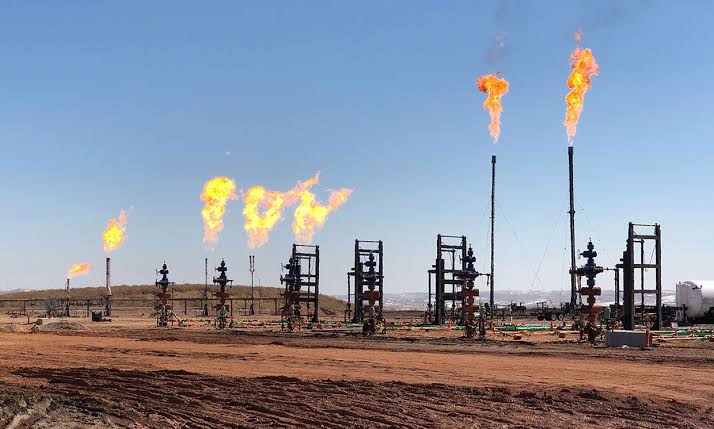
Nigeria ranks among the world’s top seven gas-flaring countries, losing billions in potential revenue each year. In 2022 alone, it flared around 275 billion standard cubic feet of gas, releasing more than 16 million tonnes of carbon dioxide equivalent — a significant breach of its Climate Change Act, which mandates strict carbon reduction targets.
The Flare4Value initiative aims to directly address these challenges by promoting flare-gas recovery, improving gas utilisation, and aligning Nigeria’s oil and gas sector with its Energy Transition Plan. One of its key innovations includes exploring flare gas-to-hydrogen pathways to convert waste into clean energy.
Representing the EU Delegation to Nigeria and ECOWAS, Programme Manager for Energy, Circular Economy and Climate Change, Godfrey Ogbemudia, said the initiative highlights the shared responsibility of reducing harmful emissions.
“It’s encouraging to see Nigeria’s flare-reduction efforts already yielding results; this project takes those gains even further. This isn’t only about environmental protection; it’s about creating new business opportunities through gas commercialisation and cleaner energy solutions that benefit people and the planet.” he said.
The project was officially launched after a virtual kick-off meeting on 29 September, followed by a high-level event in Abuja. A study tour to Germany is planned for later this month, bringing together Nigerian and German stakeholders.
The initiative will culminate in a multistakeholder conference in Abuja on 4 December 2025, where partners will release a discussion paper on flare-gas reduction and launch a business-to-business platform connecting Nigerian and German companies.
By linking flare-gas reduction with hydrogen development, the Flare4Value project aims to bridge climate action with economic opportunity, supporting Nigeria’s energy transition while advancing the EU’s global climate diplomacy goals.



