

By Joy Onu
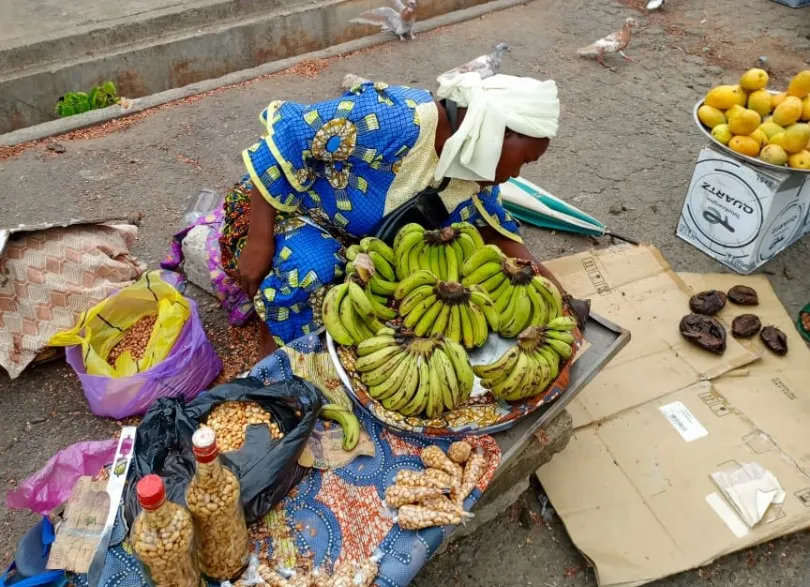
Across the Federal Capital Territory (FCT), many families are being forced to adopt survival strategies to cope with rising food prices, transportation costs, rent, and other daily expenses as Nigeria’s economic hardship continues to bite harder.
From petty trading to ride-hailing services and domestic labour, residents say the growing cost of living has forced them to seek additional sources of income just to feed their families and meet basic needs.
In Gwagwalada, a widow and civil servant, Veronica Akpan, said she started selling petty food items after discovering that her monthly salary could no longer sustain her household. According to her, the side business has become a lifeline despite the modest profit.
“At least I and my family are eating from it. My salary can’t even take us one week anymore. This side hustle helps in a way,” she said.
She lamented the continuous increase in food prices, noting that even basic cooking ingredients have become unaffordable for many families.
“The price of a dustbin bucket of tomatoes is now between N6,000 and N7,000 and it keeps increasing, not to even talk of pepper and other food ingredients,” she added.
For Mr. Abdullahi Abu, a resident of Masaka on the outskirts of Abuja, converting his private vehicle into an Uber service has become necessary to survive the harsh economy. He explained that the extra income mainly helps him manage transportation costs to and from work.
“I had no choice. At least the Uber work helps me fuel my car and support some family expenses,” he said.
Domestic workers are also feeling the pressure. Madam Hassanah, who survives by cleaning homes and washing clothes for families across Abuja, said the situation has become more painful as many households now cut back on spending due to the same economic realities.
“It’s so difficult to even eat now,” she said amid tears. “Before, some of the families I work for used to support me with extra money or food, but now they are also struggling. What I earn can barely feed my family and me.”
Daily wage earners say they are among the worst affected. Kebiru Aminu, a bricklayer, and Samson Orga, a tiler, told New National Star Newspaper that construction jobs have reduced while the value of their earnings has been eroded by rising food prices and inflation.
“Even after working all day, what we take home cannot comfortably feed us for one day,” Aminu lamented, while Orga added that many artisans now depend on borrowing to survive between jobs.
Findings by New National Star Newspaper showed that the experiences shared by these residents reflect a wider reality across the FCT, where families are increasingly cutting down on meals, postponing personal needs, withdrawing children from expensive schools, and relying on multiple jobs to stay afloat.
Economic observers say the growing hardship may continue to deepen if urgent measures are not taken to address inflation, unemployment, and the rising cost of essential commodities. They stressed the need for stronger social support systems, improved job opportunities, and policies that directly ease the burden on low-income households.
For many Abuja residents, however, survival has now become a daily struggle, with hope resting on the possibility that economic conditions may eventually improve.



