

BY AKUDORO GLORIA
Stakeholders have converged in Birnin Kebbi, Kebbi State, for a validation workshop on the Project Appraisal Document (PAD) of the $3 million Integrated Dryland Ecosystem Rehabilitation, Regeneration and Conservation (IDERRCN) project in Nigeria .
Speaking at the event, the Permanent Secretary of the Federal Ministry of Environment, Alh. Adam Kambari, said Kebbi State was chosen out of three proposed states due to its strategic position along the Sahelian belt and the Great Green Wall corridor.
Kambari, represented by Dr. Alenyi Innocent Onu of the National Agency for the Great Green Wall, highlighted the workshop as a key milestone in a process supported by United Nations Environment Programme (UNEP) and Global Environment Facility (GEF) since 2021.
Kambari emphasized the urgency of the intervention, citing the worsening impacts of land degradation, desertification, and climate-related vulnerabilities across Nigeria’s drylands.
He explained that the validation workshop serves as a critical springboard for finalizing the PAD and submitting it to the GEF Secretariat by June 20, 2025, for review and endorsement ahead of full scale implementation.
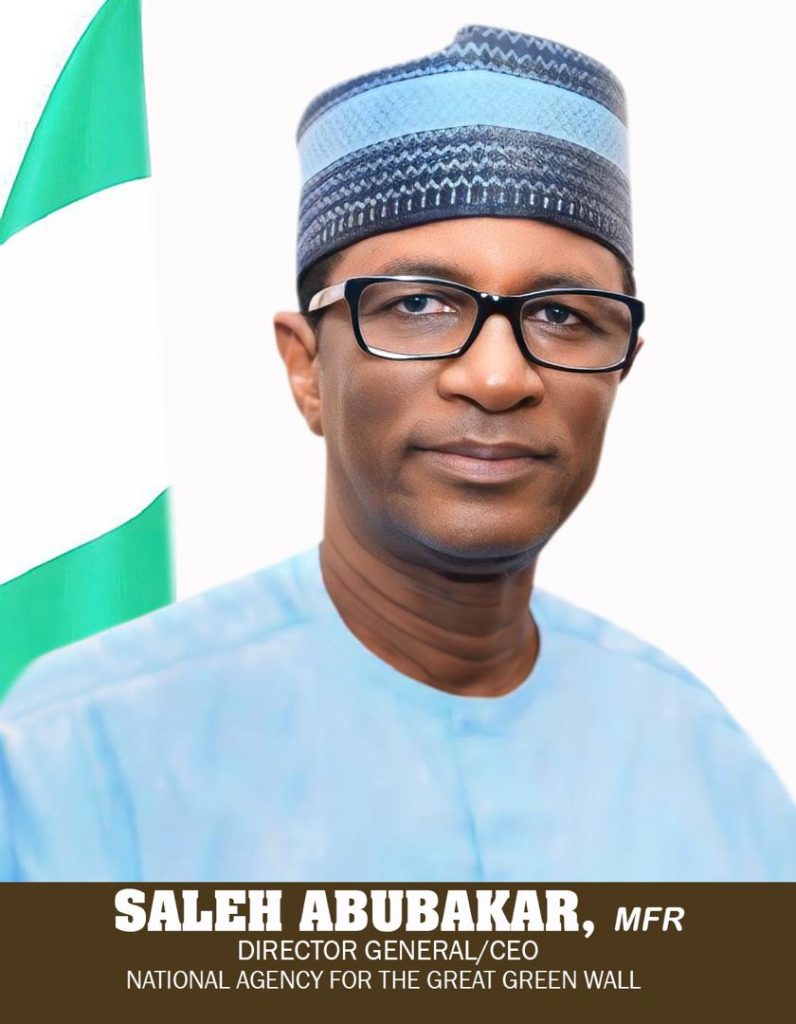
In his address, the Director General/CEO of the National Agency for the Great Green Wall (NAGGW), Saleh Abubakar, highlighted the IDERRCN project as a vital component of the regional Transformation Approach to Large Scale Investment in Support of the Implementation of the Great Green Wall Initiative (TALSISI-GGWI), which was approved by the GEF Council in June, 2024.
Represented by the Director, Afforestation and Land Management, Alhaji Ahmed Majidadi Bagudo, Abubakar, stated that the project targets a total of 5,500 hectares of land restoring 2,500 hectares and enhancing land use on 3,000 hectares of protected landscapes.
He said the project covers 15 communities across five Local Government Areas in Kebbi State: Arewa, Augie, Argungu, Bunza, and Dandi located within the Great Green Wall corridor.
He stressed that the goal of the workshop was to ensure the project design is inclusive, community responsive, and aligned with the real needs of the targeted populations.
He expressed optimism that the success of the Kebbi model would serve as a blueprint for similar interventions in other frontline states facing land degradation and climate challenges.



