

BY JENNIFER EZIMAKOR
The Minister of Women Affairs, Hajiya Imaan Sulaiman-Ibrahim, has reaffirmed the Federal Government’s commitment to empowering widows across Nigeria, describing their welfare as a moral duty and a national priority.
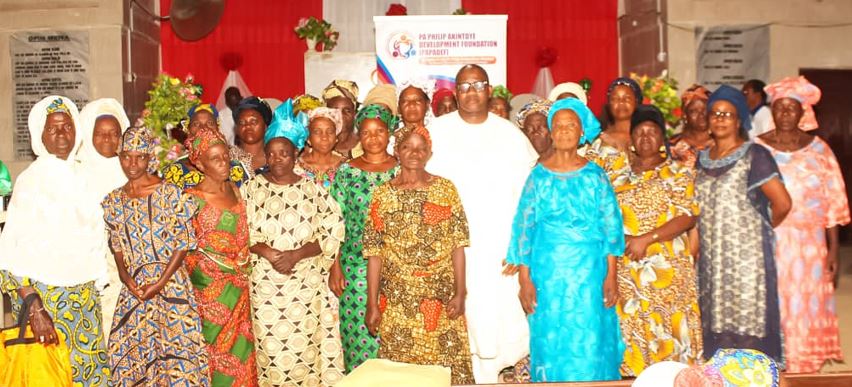
Speaking in Abuja at an event marking the 2025 International Widows Day, organised in partnership with Helpline Social Support Initiative, the Minister delivered a stirring keynote address calling for justice, dignity, and action.
“This is not just a ceremonial occasion, it is a collective call to justice, compassion, and action for millions of Nigerian widows whose voices must be heard and whose dignity must be restored.” Suleiman-Ibrahim said.
The 2025 theme, “Empowering Widows: Building Resilience and Restoring Dignity”, shaped the tone of the day, with Sulaiman-Ibrahim spotlighting the lived experiences of many widows—women who, she said, carry both pain and strength, raising families while battling systemic exclusion.
“Empowering widows is not a favour,” she stressed, “it is a duty. Restoring dignity is not optional; it is an obligation.”
The Minister cited alarming statistics from the National Bureau of Statistics, which puts Nigeria’s widow population at over 15 million. Many of these women, she noted, are sustaining families and contributing to the informal economy but are still routinely sidelined in national development plans.
She said the Tinubu administration, through the Federal Ministry of Women Affairs and under the Renewed Hope Agenda, is working to change this narrative by turning widowhood into “a platform of strength and resilience.”
Sulaiman-Ibrahim outlined a series of targeted interventions, both ongoing and upcoming, aimed at boosting widows’ access to health, financial services, and economic opportunities, including; Clean Cooking for Rural Women Initiative, which will provide LPG and energy-efficient stoves to improve health and support small businesses; WAVE Project (Women, Agriculture, Value-Chain & Empowerment), which will offer widows and female farmers access to land, extension services, equipment, and markets; Expanded financial inclusion partnerships with banks and financial institutions; Free one-year health coverage under the National Health Insurance Scheme (NHIS); Enrolment into the National Identity Scheme to improve access to social services; Integration onto the Happy Woman App, a digital platform for empowerment and support.



