

The Nigeria Centre for Disease Control and Prevention (NCDC) has reported that the death toll from Lassa fever in the country has climbed to 172, with 924 confirmed cases recorded so far in 2025.
According to the agency’s latest epidemiological report released on Tuesday, the Case Fatality Rate (CFR) has increased to 18.6 percent, up from 17.0 percent recorded during the same period in 2024.
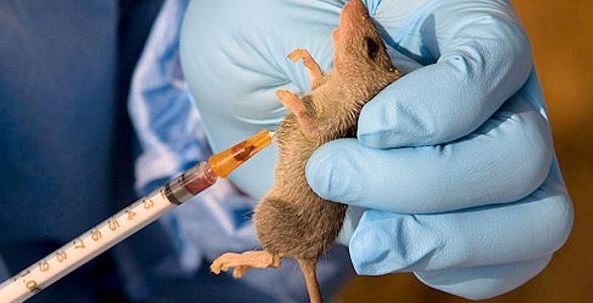
The World Health Organisation (WHO) describes Lassa fever as an acute viral haemorrhagic illness caused by the Lassa virus, which is transmitted to humans through contact with food or household items contaminated by the urine or faeces of infected Mastomys rats. The disease is endemic in several West African countries, including Nigeria, Benin, Ghana, Guinea, Liberia, Mali, Sierra Leone, and Togo.
The NCDC said that as of epidemiological week 40, 21 states had recorded at least one confirmed case across 106 Local Government Areas.
“In week 40, the number of new confirmed cases increased from four in epidemiological week 39 to 13, all reported from Ondo State,” the report stated.
It added that “cumulatively, as at week 40, 2025, 172 deaths have been reported with a Case Fatality Rate (CFR) of 18.6 percent, which is higher than the CFR for the same period in 2024 (17.0 percent).”
Ondo, Bauchi, Edo, Taraba, and Ebonyi states accounted for 90 percent of all confirmed cases, with Ondo alone contributing 35 percent. The remaining 10 percent of infections were spread across 16 other states.
The most affected age group remains those between 21 and 30 years, with a median age of 30. The report noted a male-to-female ratio of 1:0.8 among confirmed cases.
No new infections among healthcare workers were recorded in the latest reporting week. The NCDC also observed that both suspected and confirmed cases have declined compared to the same period last year.
The agency said its multi-partner, multi-sectoral Technical Working Group continues to coordinate national and sub-national response activities aimed at curbing the spread of the disease.



