

BY GLORIA AKUDORO
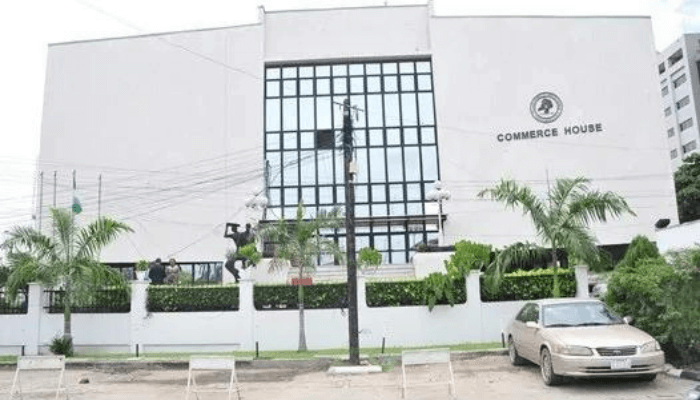
The Lagos Chamber of Commerce and Industry (LCCI) highlighted Nigeria’s $3.225 billion non-oil export growth in the first half of 2025, emphasising the need for new market routes for trade partners.
The 19.6 per cent growth was driven by global demand for products like cocoa, urea/fertilizer, and cashew nuts, with non-oil exports increasing to 4.04 million metric tons from 3.83 million tons in the first half of 2024.
The Chamber, in a statement, tagged: ‘Nigeria’s Global Partnerships: From Agreements to Action’, issued by its Director General, Dr. Chinyere Almona, said the growth indicated the country’s increased capacity to process non-oil exports and boost its export earnings.
The LCCI warned that reduced export earnings from the U.S. and low crude oil prices could impact Nigeria’s FX inflows, especially when dollar liquidity is crucial.
The Chamber, therefore, advised the federal government to reach out to strategic partners that would place Nigeria in a stronger negotiating position when needed.
It also commended the signing of the Bilateral Air Service Agreement (BASA) with Brazil, which enables direct flights between the two nations, adding that the agreement would go a long way in expanding export markets, boosting tourism and cultural exchange, and unlocking new trade routes for Nigerian businesses.
On the outcomes of the Tokyo International Conference on African Development (TICAD 9), the business advocacy group threw its weight behind Japan’s $238 million collaborative financing framework for upgrading Nigeria’s electricity generation grid infrastructure.
It conveyed the conviction that the investment initiatives from Japan and other economies would incentivize Nigeria to arm its youthful populace with vocational and technical skills, thereby seizing opportunities in labor-intensive sectors akin to those in high-manufacturing nations like Japan.
The Lagos Chamber of Commerce and Industry (LCCI) further urged the federal government to contemplate investing in the development of renewable energy infrastructure, fostering the adoption of Compressed Natural Gas (CNG) technologies, and cultivating a conducive environment that entices both states and foreign investors to engage in value creation as it channels fresh capital into the national grid.
The Chamber insisted that the country’s foreign policy must now focus on translating agreements into tangible outcomes, adding that the private sector should be well-integrated in operationalizing such agreements through follow-up mechanisms, setting clear timelines for implementation, and prioritizing vocational and technical skills development in markets, where required.
It stated: “Japan sees our youth as Africa’s biggest strength. Nigeria must equip its young people with the technical skills to compete globally.
“Taking the right actions on signed agreements with new strategic partners can drive inclusive growth and boost foreign trade earnings. By combining visionary diplomacy with practical action, Nigeria can shift global perceptions from challenges to opportunities and rebrand itself as a reform-driven, youth-powered, and investment-ready economy.
“These agreements are springboards. Nigeria must link the signed deals in aviation, ICT, manufacturing, and energy to industrial growth, boost productivity, and diplomacy to development. What was signed abroad must be translated into prosperity at home.”



