BY JOHN DANJUMA
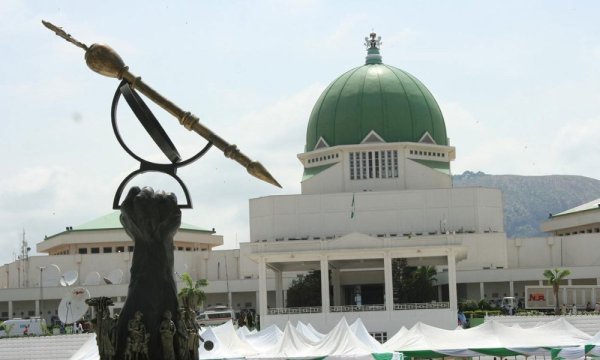
The National Assembly will resume plenary on Tuesday, September 23, 2025, after a two-month recess, but the 10th Assembly returns under intense scrutiny, battling credibility concerns and rising public discontent. For many Nigerians, the legislature has been slow, distracted, and more entangled in political drama than in lawmaking.
The recess, announced in July, was meant to allow lawmakers to engage in oversight and constituency duties. Senate President Godswill Akpabio urged committees to finalise reports and continue investigations, while Speaker Tajudeen Abbas directed House members to monitor federal projects in their constituencies. Yet, instead of progress, the period was dominated by controversies that have left the Assembly looking detached from the nation’s pressing needs.
For months, the legislature has been accused of being a rubber stamp—approving executive requests with little scrutiny. Critics point to ballooning public debt, delayed reforms, and a lack of robust debate on key policies. The perception, fair or not, is that lawmakers are prioritising internal battles over national interest.
A prime example is the prolonged suspension of Senator Natasha Akpoti-Uduaghan of Kogi Central. Her six-month suspension, triggered by a protest over seating arrangements and clashes with Akpabio, has left her constituency without representation. Despite legal challenges, the Senate insists the suspension stands until a Court of Appeal ruling. The case has overshadowed legislative debates on budgets, bills, and oversight—becoming the defining story of the upper chamber this year.
Still, there are weighty issues on the agenda. The House of Representatives’ Constitutional Review Committee, led by Deputy Speaker Benjamin Kalu, has proposed sweeping reforms: curbing presidential powers, synchronising elections to save costs, and creating a new body to regulate political parties, leaving INEC to focus solely on elections. Another proposal would allow lawmakers to be sworn in immediately after receiving Certificates of Return, cutting delays often caused by political maneuvering.
So far, 46 requests for new states and 117 for new local government areas have been converted into bills, reflecting widespread agitation for decentralisation. A public hearing on the constitutional review was scheduled for September 22 at the Transcorp Hilton in Abuja, setting the stage for contentious debates when plenary resumes.
The lower chamber is not immune to turmoil. Reports indicate some lawmakers are preparing a showdown with Speaker Abbas over issues ranging from budget implementation to project distribution and staff recruitment. The recent induction of 785 new employees without members’ input sparked resentment, with some accusing the leadership of sidelining them from critical decisions. During the recess, caucuses reportedly held strategy meetings, raising fears of heated confrontations once sessions resume.
Beyond internal disputes, fiscal policy looms large. In July, the Assembly approved over $21 billion in external borrowing for the 2025 budget, alongside loans in euros, yen, and naira, as well as grants. More recently, an additional $347 million loan under the 2025–2026 borrowing plan was cleared.
But tensions flared when Speaker Abbas openly challenged Finance Minister Wale Edun over Nigeria’s debt profile. Abbas warned that debt had risen to N149.39 trillion ($97 billion), with a debt-to-GDP ratio of 52 percent—well above the legal ceiling of 40 percent. Edun countered, arguing the debt was sustainable. The exchange underscored the uneasy balance between legislative approval and executive ambition.
The 10th National Assembly is now midway through its term, with less than two years before the 2027 elections. Lawmakers face mounting pressure to deliver on constitutional amendments, electoral reforms, and passage of the 2026 Appropriation Bill. The review of the Medium-Term Expenditure Framework (MTEF) 2026–2028 also looms large, shaping budget priorities for the next three years.
Electoral reform remains urgent. Flaws in the last Electoral Act, including the controversial creation of super delegates, have left sections of political stakeholders disenfranchised. With general elections less than two years away, there is little time left to fix these gaps.
For Akpabio and Abbas, the coming weeks will be a test of leadership and independence. Both men insist the legislature is fulfilling its duties, citing public petitions as proof that Nigerians still engage with the institution. But perception is powerful. If citizens believe their lawmakers are more interested in political squabbles and executive appeasement than in governance, trust in the legislature will erode further.
The stakes are high. Nigerians are grappling with economic hardship, rising insecurity, and a cost-of-living crisis. In such a climate, a distracted legislature could deepen frustration and fuel political disengagement. Conversely, a focused, assertive Assembly could reassure citizens that democracy remains functional.
As plenary resumes, the National Assembly stands at a crossroads. Will it continue down the path of controversy and division, or seize the moment to assert itself as a true check on executive power and a driver of reform? The answer, many believe, will define not just its legacy, but the credibility of Nigeria’s democratic project.