

BY JENNIFER EZIMAKOR
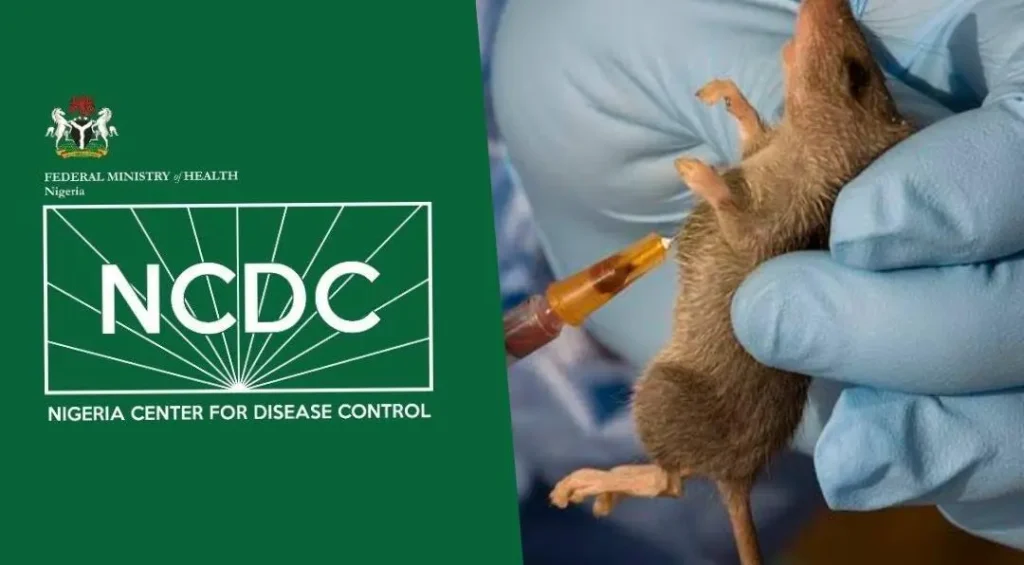
The Nigeria Centre for Disease Control and Prevention (NCDC) has confirmed that Lassa fever has killed 155 people and infected 822 others across 21 states as of July 20, 2025.
In its latest situation report covering epidemiological week 29 released Tuesday, the NCDC said the current Case Fatality Rate stands at 18.9 per cent, higher than the 17.1 per cent recorded during the same period in 2024.
A total of 6,640 suspected cases have been reported this year, with infections confirmed in 105 local government areas. Ondo, Bauchi, Edo, Taraba, and Ebonyi states account for nearly 90 per cent of the confirmed cases, with Ondo alone responsible for nearly a third.
“The number of new confirmed cases remained the same as in the previous week, with infections reported in Ondo and Edo states. Three new deaths were also recorded within the week,” the agency said.
Lassa fever, caused by the Lassa virus, is an acute viral illness transmitted primarily through contact with items or food contaminated with rodent urine or faeces. Human-to-human transmission is also possible, particularly in healthcare settings without adequate infection control.
The most affected age group remains 21 to 30 years, and slightly more males have been infected than females. No new infections among healthcare workers were recorded in the latest reporting period, though 23 have been affected so far this year.
While overall case numbers are slightly lower than in 2024, the rising death toll has raised concerns among health officials. The NCDC linked the increase in fatalities to delayed hospital visits, poor health-seeking behaviour, and environmental sanitation challenges in hard-hit communities.
The agency said it continues to coordinate nationwide response efforts through its technical working group and in partnership with WHO, the US CDC, and Nigerian health agencies. Interventions include contact tracing, public education, rodent control, and distribution of medical supplies such as PPEs and Ribavirin.
Despite these efforts, the NCDC warned that the high cost of treatment is still discouraging timely care, which may be worsening the fatality rate.
It urged Nigerians to report symptoms early, avoid contact with rodents, and maintain clean surroundings to help curb the spread.



