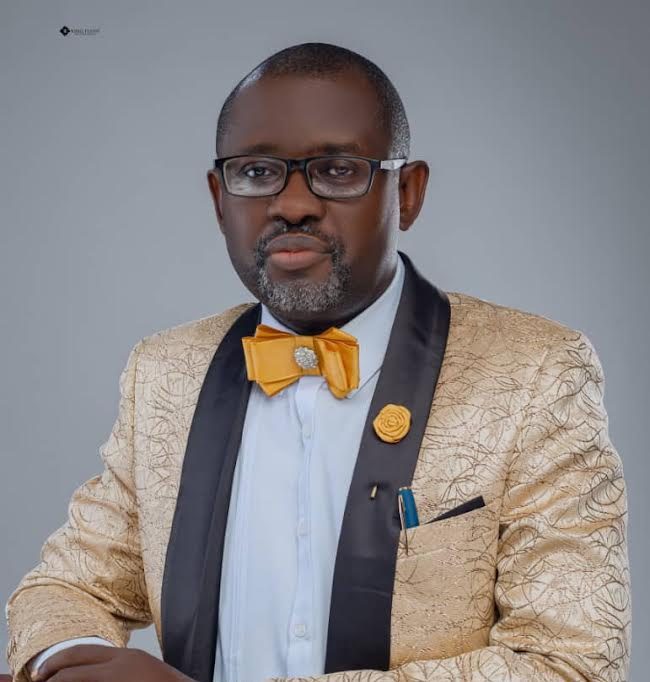
OLAYINKA OLATUNBOSUN, PhD
As the Union Jack was lowered and the green-white-green flag was hoisted at midnight on October 1, 1960, Nigeria embraced sovereignty, stepping onto the world stage as a newly independent nation. Sixty-five years later, at this diamond anniversary of independence, the nation reflects on a journey defined by promise, turbulence, creativity, and resilience.
From Independence to Republic: Foundations of Nationhood
Nigeria’s path to independence was laid through constitutional reforms of the 1950s—the 1954 Lyttleton Constitution ushered in regional autonomy, and upon independence the 1960 constitution retained the British monarch as head of state. However, a bold shift came in 1963 when Nigeria became a republic under its own President, Nnamdi Azikiwe, while retaining parliamentary structures that appointed Abubakar Tafawa Balewa as Prime Minister.
This early republic was grounded on a delicate federal architecture, balancing diverse ethnic, regional, and religious identities—a complex legacy that continues to shape the nation’s governance.
Building the Pillars: Economic, Educational & Infrastructural Evolution
At independence, Nigeria’s economy stood at roughly USD 4 billion, rooted primarily in agriculture. The discovery and exploitation of oil propelled the nation into a new economic league. Between 1960 and 2022, GDP expanded from USD 4 billion to over USD 248 billion—a testament to the oil boom and evolving sectors.
Infrastructure also benefited: the Nigerian Stock Exchange was founded in 1960; rail and port developments followed; landmark constructions like the Third Mainland Bridge (1990) and the Abuja–Kaduna Railway (2016) modernized the landscape.
Meanwhile, education flourished with the establishment of the first-generation universities —University of Ibadan; University of Nigeria, Nsukka; University of Ife (now Obafemi Awolowo University); Ahmadu Bello University; and the University of Lagos—between 1960 and 1970.
Healthcare saw improvements too: life expectancy rose from 37 to 59 years, with institutions like the Nigerian Institute of Medical Research (1977) and the National Health Insurance Scheme (2005) leading reforms.
Democracy, Doldrums, and Democratic Return
Post-independence political life was punctuated by coups and military rule. Repeated interventions fractured civilian governance until 1999, when democracy was restored. Since then, uninterrupted civilian rule has become the longest such period in Nigeria’s history.
Electoral institutions and transparency were bolstered with the establishment of INEC (Independent National Electoral Commission), the Freedom of Information Act (2011), and anti-corruption stalwarts like EFCC and ICPC.
Yet, governance is imperfect. Corruption, uneven enforcement, and political interference persist in eroding public trust despite efforts to strengthen the rule of law.
A Cultural Renaissance: Creativity as Soft Power
If governance has been fraught, culture has soared. Nigeria has carved out a global cultural identity through literature, film, and music.
Nigeria’s literary giants—Chinua Achebe, Wole Soyinka, Chimamanda Ngozi Adichie—garnered global acclaim, shining a light on African stories.
Nollywood emerged as the world’s second-largest film industry by output, producing some 2,500 films annually—an engine of job creation and African storytelling.
Afrobeats has become a worldwide phenomenon, and Nigerian musicians—Wizkid, Burna Boy, and others—now define global musical conversations.
Sporting Triumphs: Moments of Unity and Pride
Sport has offered moments of national jubilation—from AFCON victories in 1980, 1994, and 2013, to Nigeria becoming the first African country to win an Olympic football gold in 1996. Chioma Ajunwa made history that same year as the first black African woman to win Olympic gold in a field event.
Global Leadership and Diplomacy
Nigeria’s liberatory role in African affairs has been pivotal. It spearheaded efforts against apartheid in South Africa and restorative democracy across West Africa. ECOWAS peacekeeping (ECOMOG) played a significant role in stabilizing Liberia and Sierra Leone.
At the 65th anniversary of Senegal’s independence—celebrated just ahead of Nigeria’s own—Vice-President Kashim Shettima reaffirmed deep-rooted ties between the two nations, noting Nigeria’s exports account for 68.7% of Senegal’s trade within ECOWAS.
Challenges: Insecurity, Economy, and Brain Drain
Despite successes, Nigeria confronts serious headwinds. Security threats from insurgency, kidnappings, and banditry continue to destabilize communities and deter investment.
Economic reforms under President Bola Tinubu have triggered sharp inflation and currency depreciation—downturns that sparked protests during the 64th Independence Day anniversary, as citizens expressed frustration over hardship and lack of opportunity.
Brain drain remains a pressing concern. Waves of educated professionals—especially nurses and healthcare workers—are emigrating en-masse in search of stability and opportunity elsewhere.
Youth Activism and the Quest for Accountability
Amid systemic frustration, Nigeria’s youths have emerged as catalysts for change. The #EndSARS movement in 2020 spoke out against police brutality, while the 2023 presidential election saw young voters mobilize around platforms promoting transparency and accountability under Peter Obi’s banner—even though he didn’t win—marking a shift in political engagement.
Celebrating Excellence: “Nigeria Celebrates” Initiative
In commemoration of the 65th anniversary, the federal government launched the “Nigeria Celebrates” initiative—a compendium spotlighting 250 top-performing Nigerians worldwide. This project aims to inspire the next generation through narratives of innovation, patriotism, and excellence, staged alongside exhibitions, concerts, and quizzes to harness national pride.
Looking Forward: Prospects for a Brighter Future
As Nigeria marks 65 years of nationhood, its future depends on confronting contradictions—bridging dazzling cultural soft power with flawed governance; transforming resource wealth into inclusive prosperity; democratizing opportunity as much as democracy; and converting youthful disillusionment into civic engagement.
Silencing the cacophony of competing regional interests, forging economic resilience, tackling insecurity, and stemming brain drain are urgent tasks. But Nigeria’s creative brilliance, demographic dividends, and institutional foundations provide fertile ground for optimism.
The diamond milestone is an invitation—not just to reflect, but to reimagine what Nigeria might be: a united, just, dynamic republic that delivers on the optimism that first lit the midnight of October 1, 1960.
Nigeria at 65 is a vibrant paradox—resilient yet restless, culturally rich yet institutionally frail, bursting with potential yet weighed by inequality. But embedded in its story is a clear truth: Nigeria endures, as a nation shaped by its people’s strength, creativity, and unyielding hope.
Dr. Olatunbosun was the Labour Party Candidate in Ife East Local Government for the Osun State House of Assembly election in 2023.