

By Joy Onu
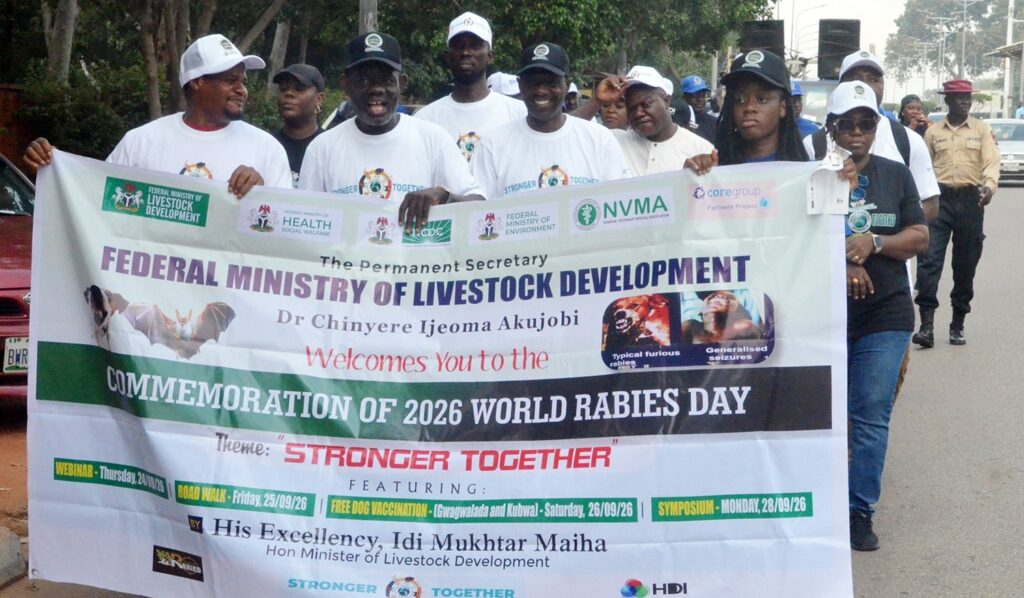
Nigeria is strengthening dog vaccination, disease surveillance and public awareness as part of efforts to eliminate human deaths from dog-mediated rabies by 2030, the World Health Organisation (WHO) has said.
In an update published in October, WHO highlighted Nigeria’s efforts to tackle the disease through a One Health approach that promotes collaboration among human-health, animal-health and environmental-health authorities.
The initiative focuses on improving dog vaccination coverage, strengthening surveillance and educating communities about rabies prevention.
Rabies is a viral disease that affects the central nervous system and is almost invariably fatal once clinical symptoms develop. However, it is preventable through dog vaccination, prompt wound care and timely administration of post-exposure prophylaxis to people exposed to potentially infected animals.
Dogs are a major source of human rabies infections in many affected countries, making vaccination programmes essential to reducing transmission and preventing deaths.
The One Health approach recognises the connection between human, animal and environmental health, encouraging relevant agencies to share information and coordinate interventions to control diseases that can spread between animals and humans.
Public awareness is also critical because people bitten or scratched by potentially rabid animals may not immediately seek medical attention, increasing their risk of developing the disease.
WHO recommends that bite wounds be washed thoroughly with soap and running water for at least 15 minutes, followed by urgent medical assessment. People exposed to potentially rabid animals should not wait for symptoms to appear before seeking care.
Dog owners are also encouraged to ensure their animals receive recommended vaccinations, while communities should report suspected rabid animals to the appropriate authorities and avoid handling animals behaving unusually.
Achieving the 2030 target will require sustained investment in animal vaccination, accessible post-exposure treatment, reliable surveillance and effective public education.
For Nigeria, stronger coordination between veterinary services, health facilities and local authorities could improve the identification of potential exposures and ensure that affected people receive timely treatment.
The availability of rabies vaccines and other recommended post-exposure interventions is particularly important in communities where access to healthcare may be limited.
WHO’s highlighted initiative underscores the importance of combining prevention at the animal level with prompt medical care for exposed people.
Sustained vaccination, improved surveillance and community participation will be essential to reducing preventable deaths and achieving the global goal of eliminating human deaths from dog-mediated rabies by 2030.


