

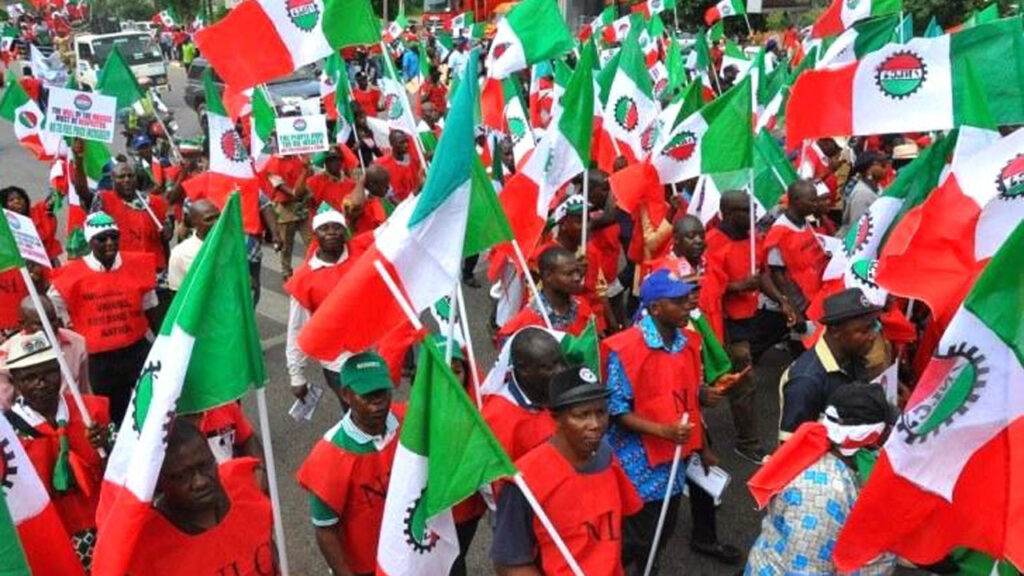
The Nigeria Labour Congress has advocated for the proper implementation of tax justice, meaning that the country’s wealthiest citizens and corporations pay a larger share of taxes than do those with lesser incomes.
The NLC also bemoaned how the government imposed stricter supply-side laws and collected taxes from residents without considering the demand side.
Speaking at a consultative engagement on “Harmonizing Efforts to Strengthen Tax Systems in the Capital Territory and Nigeria,” Eustace James, NLC Focal Person, said that some individuals expressed concern about the current administration’s tax policy, viewing it as drastic and potentially harmful to the populace. The engagement was organized by the Civil Society Legislative Advocacy Center with support from Christian Aid Nigeria in Abuja.
According to James, the implementation of a “tax justice system” is necessary to guarantee that individuals pay their fair share of taxes and that there is openness and accountability in the tax administration process.One of the platforms for tax justice and governance, the NLC, is willing to cooperate at any time to fulfill our responsibilities and guarantee that there is fair, open, and just tax justice for everybody.
Large corporations, well-connected people, and many of them do not even pay their fair share of taxes. Conversely, individuals who are less privileged lack authority over corporate taxes.
“The government enforces laws more strictly on the supply side, obtaining taxes from citizens without giving the demand side as much priority,” he stated.
He made the point that in order to have a reasonable and equitable tax system, everyone must pay their fair share of taxes, which are determined by their income. Taxes also have a supply and demand aspect.
According to Chinedu Bassey, the secretary of the Nigerian Tax Justice and Governance Platform, the platform aims to ensure that everyone gets a fair share of the taxes they pay. He expressed regret over unauthorised tax administrators who tax women disproportionately without the necessary authorization.
We have a strong bias against those further down the tax ladder because we are aware that while high net worth individuals can often squirm out of paying taxes, those further down the tax ladder may not always have the same opportunity to do so.
“We are aware that a large number of unlicensed tax administrators exist, burdening individuals, particularly women, and that no one is monitoring their activities,” Bassey stated.
In order to lessen the burden that citizens must bear, he asked the government to take the initiative in directing tax-related operations.



