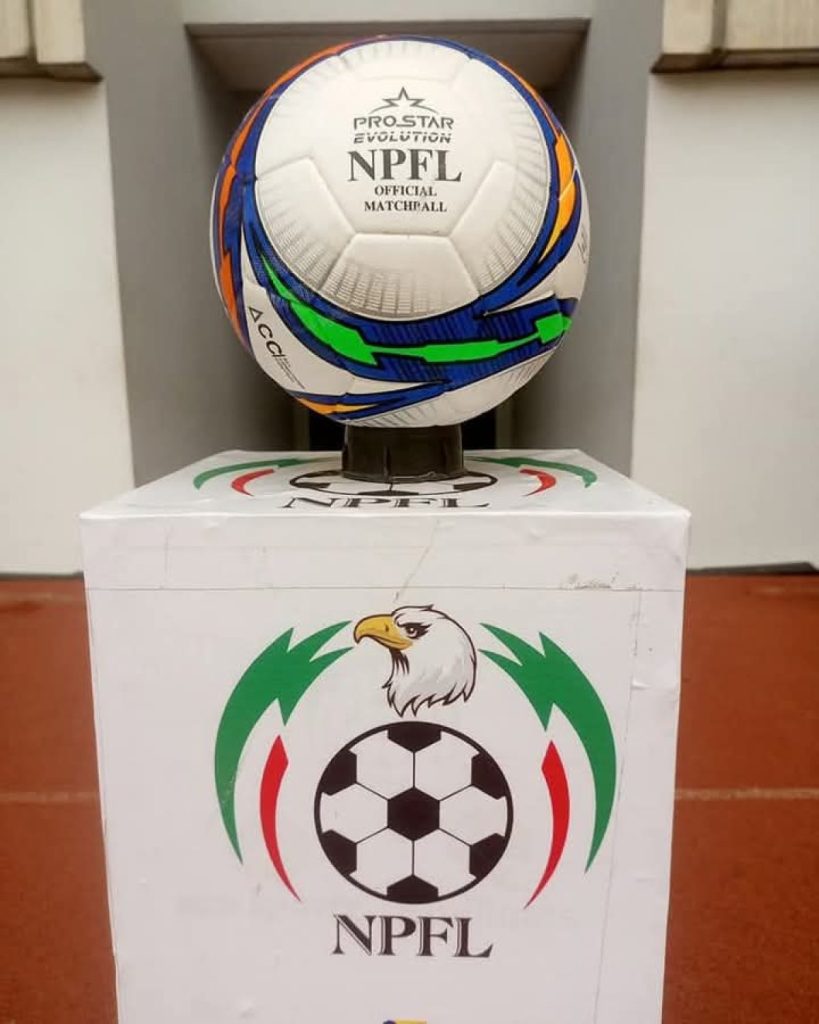
In a firm push to restore professionalism and enhance media engagement, the Nigeria Premier Football League (NPFL) has announced that it will begin penalising coaches who boycott mandatory post-match interviews. The league, through its Chairman Hon. Gbenga Elegbeleye, is now drawing a hard line to ensure operational discipline and boost transparency across matchday proceedings.
As part of the new directive, Match Commissioners at all NPFL venues have been instructed to enforce strict compliance with post-match media duties, particularly interviews with journalists. This move, communicated via the NPFL Matchday Situation Room—a real-time coordination hub—aims to ensure that media engagements become a non-negotiable component of matchday obligations.
“It is now compulsory for Match Commissioners to ensure coaches and players attend post-match interviews. This is not up for debate—it’s an integral part of our professional standards,” Elegbeleye said.
Match Commissioners have also been directed to note and report any cases of non-compliance in their official submissions. Any coach who fails to fulfil this obligation will face immediate disciplinary action, including financial sanctions.
“A coach who fails to attend a post-match interview will be fined, and the fine must be paid before the team’s next match,” Elegbeleye warned. “Failure to comply will see the coach banned from sitting on the bench.”
The new enforcement comes on the heels of growing frustration among NPFL media partners, who have repeatedly expressed concern over coaches evading post-match interviews—especially after unfavourable results. Such absences deprive fans, broadcasters, and journalists of key post-match insights.
Elegbeleye stressed that this behaviour undermines efforts to elevate the league’s visibility and connect with fans: “We’re committed to growing the league’s profile. Our media partners play a pivotal role in telling the stories that bring our game to life.”
He emphasised that post-match content is crucial—not just for technical breakdowns, but also for humanising the game. “Through TV, radio, print, and digital platforms, fans rely on coaches and players to understand the drama behind every result. These interviews shape narratives, fuel debates, and spark anticipation for the next game.”
While acknowledging the emotional weight of football, especially after losses, Elegbeleye reminded coaches that professionalism must prevail. “This isn’t about punishment. It’s about building a league culture that respects the game, the fans, and the media.”
With this enforcement, the NPFL sends a clear message: growth demands accountability—and silence, especially from key figures like coaches, will no longer be tolerated.