

BY GLORIA AKUDORO
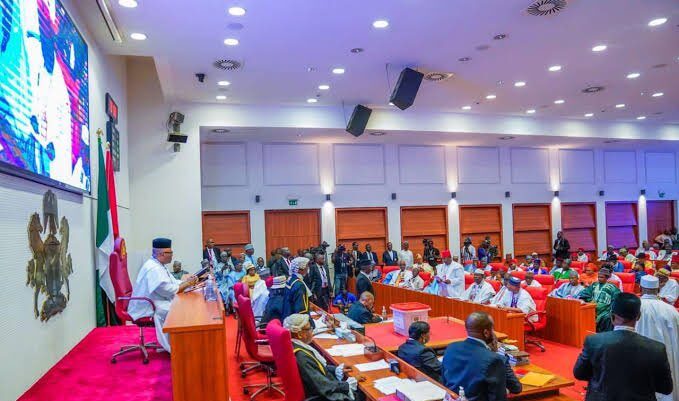
Poised to transform the electricity landscape, the Nigerian Senate has on Wednesday passed the 2025 Electricity Act (Amendment) Bill through second reading.
The proposed amendments feature several reforms aimed at revitalizing the sector. Among these are measures to – criminalising electricity infrastructure vandalism; clarifying the transfer of regulatory power from NERC to state governments; enhancing the operationalisation of the Electricity Consumer Assistance Fund; strengthening penalties and institutional oversight.
This legislative move, spearheaded by Chairman of Senate Committee on Power, Senator Enyinnaya Abaribe, representing Abia South, seeks to refine and modernize the existing 2023 Electricity Act by addressing critical regulatory gaps.
With the power sector facing significant challenges, including inefficiencies and substantial financial mismanagement amounting to over N4 trillion in debt, the bill is intended to introduce stringent measures and clear definitions concerning funding, labor rights, and the role of state governments in the wake of recent constitutional reforms.
Senator Abaribe, leading the debate lamented that the current law contains minimal penalties for offenders, and has not been fully operationalised. He highlighted the pressing need for comprehensive regulatory reforms, particularly on funding, labour rights in essential services and the role of state governments following recent constitutional reforms.
He emphasized the necessity of enforcing electricity as an essential service, advocating for the removal of ambiguities to ensure the law can be effectively implemented.
“Electricity is an essential service. No one should hold the country to ransom under the guise of a strike. We must remove ambiguities and make the law implementable,” he stated.
Additionally, he criticized certain electricity distribution companies for failing to financially remunerate for supplied power, exacerbating the sector’s instability.
During the debate, some lawmakers also proposed capital punishment for individuals convicted of vandalizing power infrastructure.
Speaking in support of the amendment, Senator Adamu Aliero, expressed his frustration over the ongoing financial obligations of the federal government in the aftermath of the power sector’s privatization.
He criticised the financial burden still being carried by the government despite the privatisation of generation and distribution companies (GenCos and DisCos), recommending capital punishment for saboteurs of national assets.
He underscored the severity of vandalism issues and advocated for capital punishment for those found guilty of sabotaging national assets, thus proposing a tough stance against infrastructure vandalism.
“We’ve privatized power, yet trillions of naira are still being spent on behalf of private companies. More importantly, the growing threat of vandalism must be addressed. Vandals are sabotaging national assets and should face capital punishment if necessary,” Aliero said.
With the bill now referred to the committee on power for further deliberation, a report is anticipated within six weeks.



