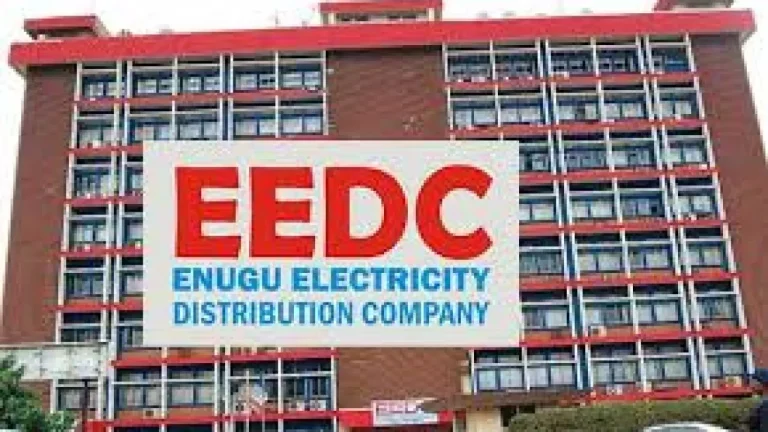
Electricity consumers in the South East, under the aegis of the South East Electricity Consumers Association (SEECA), have called on the Enugu Electricity Regulatory Commission (EERC) to urgently resolve the ongoing tariff impasse with Mainpower Electricity Distribution Limited (MPDL).
The group said that Enugu, as the capital of Igboland and the former East Central State, requires a peaceful and stable power supply that neither exploits consumers nor undermines the distribution company’s sustainability.
In a letter to EERC signed by SEECA Coordinator, Dr. Sebastine Chukwuebuka Okafor, the group stated that the dispute over the July 18, 2025 tariff order had thrown many communities into darkness and deepened uncertainty in the region’s electricity supply chain.
According to him, both parties have taken entrenched positions, stalling progress on critical issues such as data usage, technical losses, operational costs, and capital expenditure recognition—all of which require neutral technical mediation.
Okafor noted that MPDL had filed a petition against the tariff reduction, arguing that the new Band A tariff of N160/kWh would cause the company losses of over N1.3 billion in the first month. However, the regulator maintained that the figures were derived from the company’s own submissions.
SEECA observed that since the dispute began, power supply in Enugu had deteriorated significantly, with several neighbourhoods left in darkness for days.
The association recommended that EERC suspend the implementation of the disputed tariff order pending a full review and appoint an independent, technically grounded third party to mediate between both sides.
SEECA further demanded that meter installation provisions be built into the tariff framework to ensure timely distribution of meters to unmetered customers across the state.
In its position paper, SEECA stated:
“The continued disagreement between EERC and EEDC/MPDL can be likened to the proverbial fight between two elephants — and in this case, the electricity consumers are the grass that suffers.”
It urged both parties to permit an independent review of the contested data, whose findings should be submitted at a public hearing and considered by EERC.