

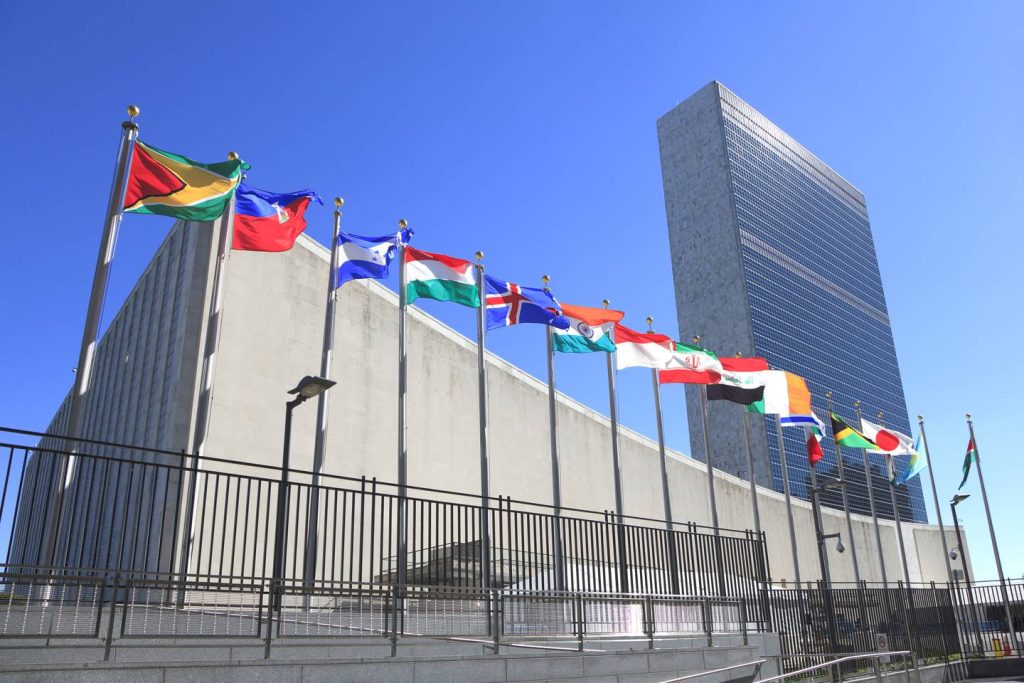
The World Economic Situation and Prospects (WESP) report for 2024 published by the UN predicts that global growth will decrease from an estimated 2.7% in 2023 to 2.4% in 2024.
The flagship projection, which was unveiled on Thursday in New York, suggests that the COVID-19 pandemic’s subsequent stronger-than-expected GDP growth in 2023 obscured short-term dangers and fundamental weaknesses in the global economy.
The grim short-term forecast is founded on the fact that rising interest rates will continue to be high, wars will intensify, international trade will be slow, and climate-related disasters will become more frequent. All of these factors will seriously hinder global growth.
It suggests a protracted period of tighter lending standards and higher borrowing costs, creating significant obstacles for a debt-ridden global economy that requires increased investment to spur growth, combat climate change, and advance the Sustainable Development Goals (SDGs).
“2024 needs to be the year we emerge from this maze.
UN Secretary General António Guterres stated, “By unlocking big, bold investments, we can drive sustainable development and climate action and put the global economy on a stronger growth path for everyone.”
“In order to achieve an SDG stimulus of at least $500 billion annually in affordable long-term financing for investments in sustainable development and climate action, we must build on the progress made in the last year.”
The paper notes that yearly inflation is expected to surpass 10 percent in nearly 25% of developing nations by 2024.
Consumer prices in emerging economies have risen by a total of 21.1% since January 2021, severely undermining the economic benefits obtained after the COVID-19 rebound.
The UN’s Department of Economic and Social Affairs (DESA) Head, Li Junhua, stated that “persistently high inflation has further set back progress in poverty eradication, with especially severe impacts in the least developed countries.”
“In order to assist vulnerable countries in moving faster toward a path of sustainable and inclusive growth, it is absolutely necessary that we strengthen international cooperation and the multilateral trading system, reform development finance, address debt challenges, and scale up climate financing.”
The greatest economy in the world, the United States, is predicted to suffer slower GDP growth from 2.5% in 2023 to 1.4% in 2024.
According to the report, a number of factors, including high interest rates and a deteriorating labor market, will likely cause consumer spending, which is a major engine of the country’s economy, to decrease.
Amidst both internal and external challenges, China’s GDP is anticipated to moderately slow down in 2024, falling from 5.3 percent the previous year to 4.7%.
Growth rates in Europe and Japan are expected to be 1.2% in 2024, posing problems for both areas.
Nonetheless, the 2024 WESP study demands quick action to deal with these various issues.
It highlights the need for more international cooperation, especially in areas like funding for sustainable development, tackling the issues posed by low- and middle-income nations’ debt sustainability, and combating climate change. Increased international cooperation is necessary.


