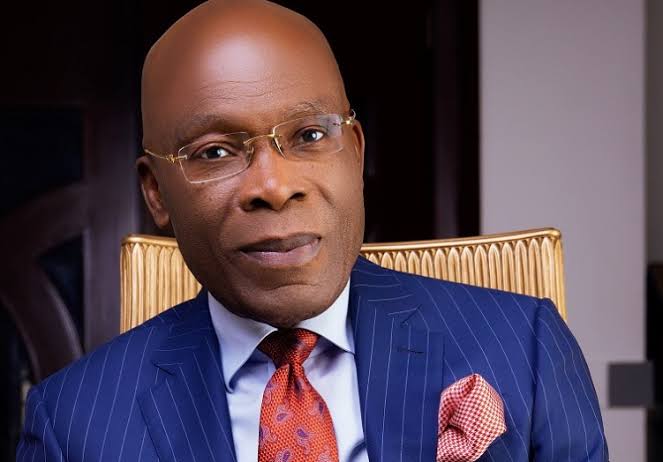
The Chairman of Zinox Group, Mr Leo-Stan Ekeh, has cautioned Africans against blindly relying on Artificial Intelligence (AI), warning that technology-driven decisions could overlook the continent’s cultural, economic and social realities.
Ekeh gave the warning in a statement issued on Monday in Lagos following his recent visit to SpaceX’s main intelligence station in Seattle, Washington, at the invitation of the company.
He said although AI could process information and recommend solutions, its outputs might not adequately reflect African circumstances because of gaps in the data used to train such systems.
According to him, Africans must develop the ability to question technology-generated recommendations rather than accept them as universally applicable, particularly when decisions affect local businesses and communities.
He noted that Africa’s unique experiences, environments and challenges required independent thinking, cautioning that excessive dependence on AI could gradually weaken people’s capacity for sound judgement.
“AI is a powerful tool, but it must remain a tool in human hands,” he said.
Ekeh explained that technological convenience should not be confused with intelligence, adding that generating answers did not necessarily mean understanding the circumstances surrounding a problem.
He urged stakeholders to teach young Africans how to interrogate AI-generated information, verify facts and recognise technological limitations instead of focusing exclusively on operating emerging technologies.
The Zinox chairman warned that neglecting critical thinking could produce a generation skilled in giving instructions to machines but poorly equipped to make independent decisions.
He stressed that Africa should embrace AI to strengthen human capabilities and expand opportunities rather than reject technological advancement.
Describing emerging technological possibilities as “Digital Holy Science”, Ekeh called for innovation driven by ambition, knowledge and responsibility.
He also identified inadequate indigenous technology infrastructure, unreliable electricity and insufficient investment as major obstacles to Africa’s digital ambitions.
He urged governments to improve broadband access, research funding, technology education and policies supporting local innovators, while maintaining global partnerships without surrendering control of essential digital systems.