2.BRIEF HISTORICAL BACKGROUND OF NIGERIA
Nigeria, with its diverse ethnicities and cultures, has faced several security challenges over the years; located in West Africa, and remains the most populous country on the continent, with over 200 million inhabitants. The region that is now Nigeria has a long history, with civilizations dating back thousands of years. The Yoruba, Hausa, and Igbo peoples are some of the major ethnic groups with rich histories and cultural traditions. The country’s name is derived from the Niger River, which flows through the region. Colonization by the British in the 19th century significantly impacted Nigeria’s political and social structures. In 1914, the British merged the Northern and Southern protectorates, creating the Colony and Protectorate of Nigeria. This colonial period led to the introduction of Western education, infrastructure development, and the establishment of a centralized administrative system. However, it also fueled tensions between the various ethnic groups and laid the groundwork for future conflicts.
3.Nigeria gained independence from British rule on October 1, 1960, becoming a republic in 1963. Since then, Nigeria has experienced periods of military rule and civilian government. The country’s governance structure is a federal republic with a presidential system. It consists of three tiers: the federal government, 36 states, and 774 local government areas. The President is the head of state and government, elected to a four-year term. The National Assembly is the legislative arm of the federal government, consisting of the Senate and the House of Representatives. Nigeria’s political landscape is characterized by a complex interplay of ethnic, religious, and regional dynamics, which continue to shape the country’s governance and development.
4.SECURITY AS A GLOBAL IMPERATIVE AND CHALLENGE
Security is a global challenge that encompasses a wide range of threats, from conventional crimes like theft and assault to more complex issues such as terrorism, cyberattacks, and organized crime. Crime and criminality in Nigeria are shaped by inherent and imported factors. Over the years, local crime has transitioned from communal clashes and armed robbery to more complex and organized forms of violence such as terrorism, insurgency, kidnapping for ransom, cybercrimes, herders-farmers crises, and banditry. Nigeria’s geographic location in West Africa exposes it to be used as a transit hub for drug trafficking, human trafficking, and other forms of transnational crime. Additionally, conflicts and instability in neighboring countries, such as the ongoing insurgency in the Lake Chad Basin region, have spilled over into Nigeria, further complicating the security landscape.
5.Before the emergence of Boko Haram and other security threats, Nigeria was already grappling with a range of challenges, including ethno-religious communal clashes, armed robbery, 419 fraud, political corruption, money laundering, political thuggery, electoral crimes, drug trafficking, and human trafficking. These issues were often interconnected, with corruption and political thuggery contributing to a climate of lawlessness and impunity. Communal clashes have been longstanding issues in Nigeria, often rooted in ethnic, religious, or resource-based disputes. These conflicts have historically been localized and sporadic, involving clashes between different communities or groups over land, resources, or political power. Armed robbery, on the other hand, has also been a persistent threat, with criminal groups targeting individuals, businesses, and financial institutions for monetary gain. However, in recent decades, Nigeria has seen a significant escalation in the scale and complexity of violence, particularly with the emergence of the Niger Delta Militancy and Boko Haram Terrorism in the early 2000s.
6.The post-2000 era saw the emergence of new security threats, including insurgency and terrorism. Boko Haram, which was founded in 2002, gained international attention for its violent attacks, including the kidnapping of hundreds of schoolgirls in 2014. The group’s ideology, which is based on a radical interpretation of Islam, has fueled its recruitment efforts and its ability to carry out attacks across the country. Boko Haram, which seeks to establish an Islamic state in Nigeria, has carried out numerous attacks targeting civilians, government institutions, and security forces. The group’s tactics have included suicide bombings, mass abductions, and raids on villages, leading to widespread fear and displacement. Additionally, the Niger Delta region has been plagued by militancy, pipeline vandalization, and illegal refining of petroleum products, perpetrated by the Niger Delta militants, who have engaged in attacks on oil installations and pipelines in the southern region of the country. Their activities in the region have had a significant impact on Nigeria’s oil production and economy.
7.In recent years, Nigeria has also faced secessionist agitation, widespread kidnapping for ransom, banditry, cattle rustling, farmers-herders clashes, and arms dealing. These security challenges have had a devastating impact on the country, contributing to a climate of fear and instability. The herders-farmers crisis, which involves clashes between nomadic herders and sedentary farmers over land and grazing rights, has also escalated in recent years, leading to significant loss of life and property. Furthermore, banditry has become increasingly prevalent, particularly in the northwest and central regions of the country. These criminal groups, often operating in remote and ungoverned areas, engage in kidnapping for ransom, cattle rustling, and other forms of extortion, posing a significant security challenge.
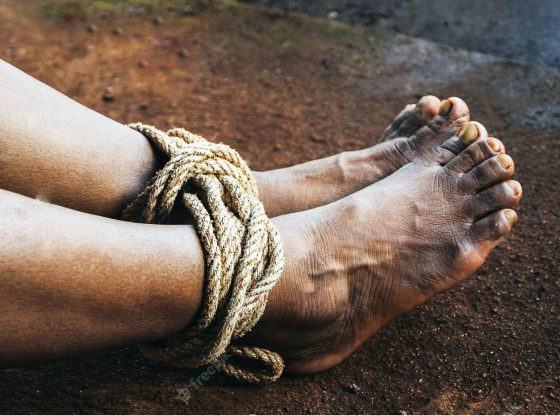
8.Nigeria has witnessed a significant rise in kidnapping for ransom, which has become alarmingly prevalent in both the southern and northern regions of the country. This criminal activity, often perpetrated by organized criminal groups, has targeted individuals, families, school children and even entire communities, with the goal of extorting large sums of money in exchange for the release of hostages. The frequency and audacity of these kidnappings have greatly contributed to the sense of insecurity and fear among the populace. Likewise, secessionist agitations have added another layer of complexity to Nigeria’s security landscape, particularly in the South East region. Groups such as the Indigenous People of Biafra (IPOB) have advocated for the secession of the region, citing historical grievances and a desire for self-determination. These agitations have led to clashes with security forces and have exacerbated existing tensions between different ethnic and regional groups.
9.The evolution of crime in Nigeria from communal clashes and armed robbery to more organized and violent forms reflect broader social, economic, and political dynamics in the country. Factors such as poverty, unemployment, weak governance, and ethnic and religious tensions have contributed to the proliferation of violence and criminality. The combination of kidnapping for ransom, secessionist agitations, and other forms of violence has created a challenging environment for law enforcement agencies and government authorities. The Nigerian government has taken steps to address these challenges, including strengthening law enforcement agencies, enhancing border security, and improving intelligence sharing with regional and international partners. However, these efforts have been hampered by factors such as corruption, inadequate resources, and a lack of coordination among agencies. Additionally, Nigeria’s complex socio-political dynamics, including ethnic and religious tensions, pose significant challenges to achieving lasting security and stability.
10.NIGERIA’S SECURITY ARCHITECTURE
The security architecture of Nigeria has evolved significantly since the colonial era. The Nigerian Police Force, which was established during British rule, was initially tasked with maintaining law and order. However, over the years, the Force has faced numerous challenges, including corruption, inadequate training and resources, and a lack of public trust. In response to these challenges, the Nigerian government has established a range of other security agencies, including the Department of State Security Service (DSS), the Nigerian Security and Civil Defence Corps (NSCDC), and the Economic and Financial Crimes Commission (EFCC), among others. These agencies have been tasked with addressing specific security threats, such as terrorism, cybercrime, and corruption. In addition to formal security agencies, Nigeria also has a wide range of non-state actors, including vigilante groups, community policing initiatives, and traditional authorities, that play a role in maintaining security at the local level. These groups often operate outside the formal legal framework and can be both a source of stability and a potential challenge to state authority.
11.Nigeria has made significant efforts at various levels of government to address the myriad security challenges facing the country, including the establishment of specialized agencies and the implementation of policies and programs aimed at curbing crime and promoting development. The federal government has increased spending on the military and police, deployed troops to areas affected by insurgency and terrorism, and launched military operations against armed groups such as Boko Haram. Additionally, the government has established agencies such as the Economic and Financial Crimes Commission (EFCC) to combat money laundering, fraud, and corruption, and the National Counter Terrorism Centre to coordinate efforts to counter terrorism. At the sub-national levels, efforts to address security challenges have included the establishment of development agencies, such as the Niger Delta Development Commission, to promote economic development and reduce poverty in the Niger Delta region. Religious and traditional leaders have also played a role in addressing communal and religious conflicts, with organizations such as the Christian Association of Nigeria and the Miyetti Allah Cattle Breeders Association of Nigeria working to mediate disputes and promote peace.
12.The Federal Government has also established various agencies to address specific security threats and challenges. The National Agency for the Prohibition of Trafficking in Persons (NAPTIP) plays a crucial role in tackling human trafficking and protecting the rights of vulnerable individuals, particularly women and children. The National Drug Law Enforcement Agency (NDLEA) is tasked with combating drug trafficking and abuse in Nigeria. The agency also works to raise awareness about the dangers of drug abuse and provide rehabilitation services to individuals struggling with addiction. The Nigeria Security and Civil Defence Corps (NSCDC) is tasked with protecting critical infrastructure, responding to emergencies and addressing various threats, including pipeline vandalization, food insecurity, and other forms of criminal activity. The agency also engages in community outreach and awareness programs to promote safety and security at the grassroots level. The Independent National Electoral Commission (INEC) is responsible for organizing and overseeing elections at all levels of government. INEC plays a vital role in ensuring the integrity and transparency of elections in Nigeria thereby contributing to the stability and democratic governance of Nigeria.
13.GLOBAL STRATEGIES FOR FIGHTING INSECURITY:
Despite these efforts, Nigeria continues to face significant security challenges. The lack of coordination and communication among security agencies, as well as the politicization of security issues, have hindered progress in addressing these challenges. Additionally, the root causes of insecurity, including poverty, unemployment, and political marginalization, have not been adequately addressed. Several countries have implemented successful strategies to tackle various crimes, including those prevalent in Nigeria. These strategies often involve a combination of law enforcement, community engagement, rehabilitation, prevention, and international cooperation. They are tailored to the specific needs and challenges of each country but can be tailored to address our local challenges. They include:
14.CAUSES/DRIVERS OF INSECURITY IN NIGERIA
Despite efforts to address these issues, the persistence of crime in Nigeria can be attributed to a combination of socioeconomic, political, and institutional factors, including:
15.RECOMMENDATIONS FOR CITIZENS’ ENGAGEMENT IN THE FIGHT AGAINST CRIMINALITY
Engaging the citizenry in crime fighting and prevention requires a multi-faceted approach that involves building trust, empowering citizens, and fostering a sense of shared responsibility for public safety. By implementing initiatives such as community policing forums, crime reporting apps, and neighborhood watch programs, communities can work together with law enforcement to prevent crime and create safer, more vibrant neighborhoods. There are several initiatives that can be implemented to engage the citizenry in crime fighting, including:
16.CONCLUSION:
In conclusion, the fight against crime in Nigeria is a complex and multifaceted challenge that requires the collective efforts of all stakeholders, including government agencies, law enforcement, community leaders, and individual citizens. While progress has been made in some areas, such as the establishment of specialized agencies and the implementation of targeted interventions, much work remains to be done to address the root causes of crime and create a safer and more secure environment for all Nigerians.
One of the key lessons learned from the experiences of other countries is the importance of engaging the citizenry in crime prevention efforts. Initiatives such as community policing, neighborhood watch programs, and crime reporting apps can empower citizens to take an active role in keeping their communities safe. By building trust and cooperation between law enforcement and the community, these initiatives can help reduce crime rates and improve public safety.
Additionally, addressing the underlying socioeconomic factors that contribute to crime is crucial for long-term success. This includes investing in education, job creation, and social support programs that provide individuals with alternatives to a life of crime. Strengthening governance and the rule of law, promoting transparency and accountability, and addressing corruption are also essential for creating an environment where crime cannot thrive.
Finally, it is important to recognize that crime prevention is a shared responsibility that requires the collaboration of all stakeholders. This includes government agencies, law enforcement, community organizations, businesses, and individual citizens. By working together, we can create a safer and more secure Nigeria for future generations.
Thank you.