BY BEN OGBEMUDIA
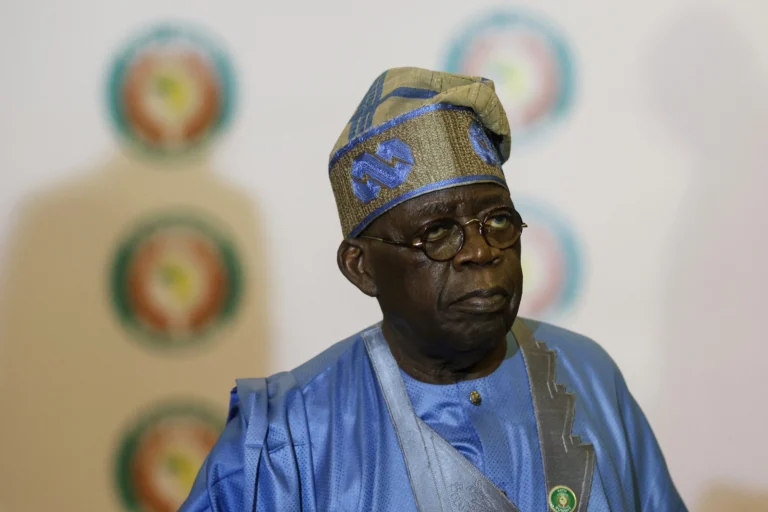
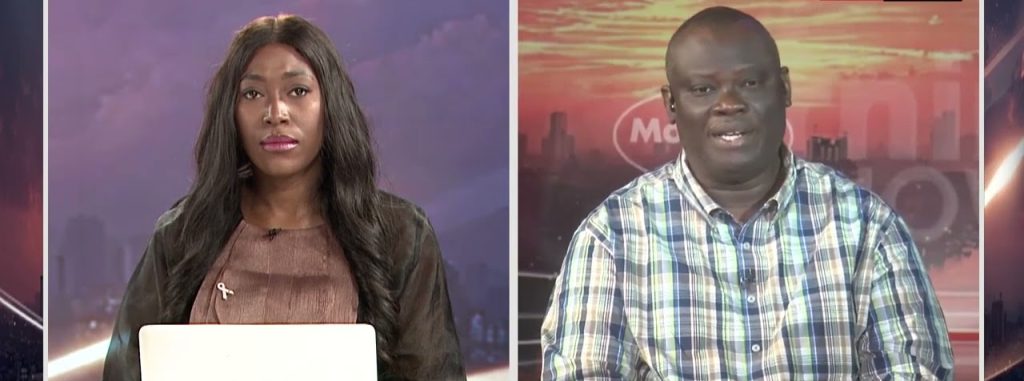
Political analyst, Majeed Dahiru, has said President Bola Tinubu is currently grappling with widespread unpopularity due to what he described as “underperformance” in the last two years, stressing that the president must build strong political alliances to stand a chance in the 2027 elections.
Speaking in an interview on Wednesday, Dahiru expressed disappointment over the state of the nation under Tinubu’s administration, noting that most Nigerians have experienced a sharp decline in their living standards since he assumed office.
“President Tinubu is a very unpopular president arising from his underperformance in two years,” he said. “As a Nigerian, my life is not better today than Tinubu met it — it’s even worse off.”
He explained that given the current political climate, Tinubu cannot rely solely on personal popularity or party strength to secure re-election. The president, he said, would require “all forms of structural support,” including alliances with powerful political figures, governors, and grassroots mobilizers.
“The president will need alliances; he will need governors who can make people vote for him because of their influence,” Dahiru stated.
Reacting to reports of Plateau State Governor Caleb Mutfwang’s possible defection from the PDP to the APC, Dahiru advised the APC national chairman to act strategically by welcoming him, if confirmed.
“If it’s true that the governor of Plateau wants to come into the APC, I expect the party chairman to open his arms and welcome him — for the interest of the party and the president,” he said.
He added that the APC must prioritize strategy over internal rifts, stressing that winning over influential figures like Governor Mutfwang could strengthen the party’s grip on the North-Central region ahead of 2027.
Analysts say such moves could signal the start of political realignments and defections as politicians begin to position themselves for survival and relevance. Dahiru’s remarks come amid debates about the president’s approval rating, the impact of his reforms, and the likelihood of fierce political maneuvering as 2027 draws closer.