By NGOZI A. NWANKWO
Nigeria’s National Assembly has passed a landmark bill to strengthen protection for endangered wildlife and crack down on illegal trafficking.
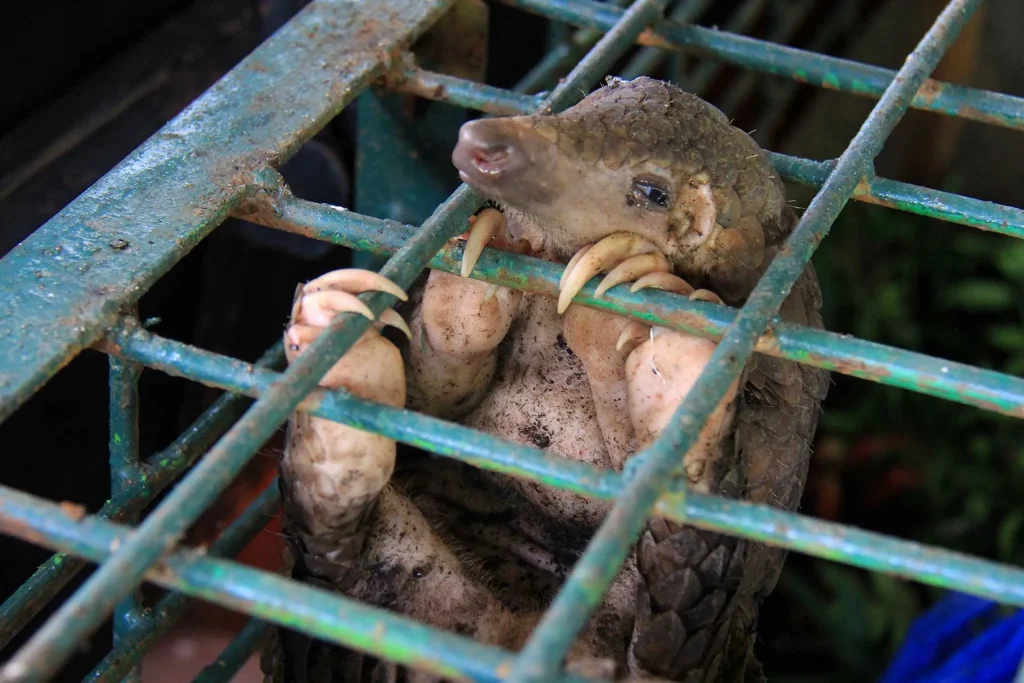
The Endangered Species Conservation and Protection Bill 2024, passed on October 28 by the Senate, imposes penalties of up to ₦12 million or 10 years’ imprisonment for trafficking elephant ivory, pangolin scales, and other protected species.
The bill, one of the toughest anti-wildlife trafficking laws in West Africa, aligns Nigeria with international conservation frameworks such as CITES and closes major loopholes in previous legislation.
“This new bill addresses long-existing gaps in our legal framework,” said Terseer Ugbor, Deputy Chairman of the House Committee on Environment and sponsor of the bill. “The old law failed to define whether its provisions covered domestic or international wildlife trade.”
The law expands Nigeria’s list of protected species, empowers courts to freeze assets linked to wildlife crimes, and enhances inter-agency coordination for enforcement.
Nigeria remains a known transit hub for wildlife smuggling, with over 3.7 metric tons of pangolin scales seized in Lagos in April 2025 alone. Experts warn, however, that enforcement will determine the law’s success.
“A law is useless without enforcement,” said Tunde Morakinyo, Executive Director of the Africa Nature Investors Foundation. “Training, equipment, and public education are vital for effective implementation.”
Regional analysts say Nigeria’s move could have ripple effects across West Africa, inspiring tougher action in neighboring countries.