KITCHEN & COOKING
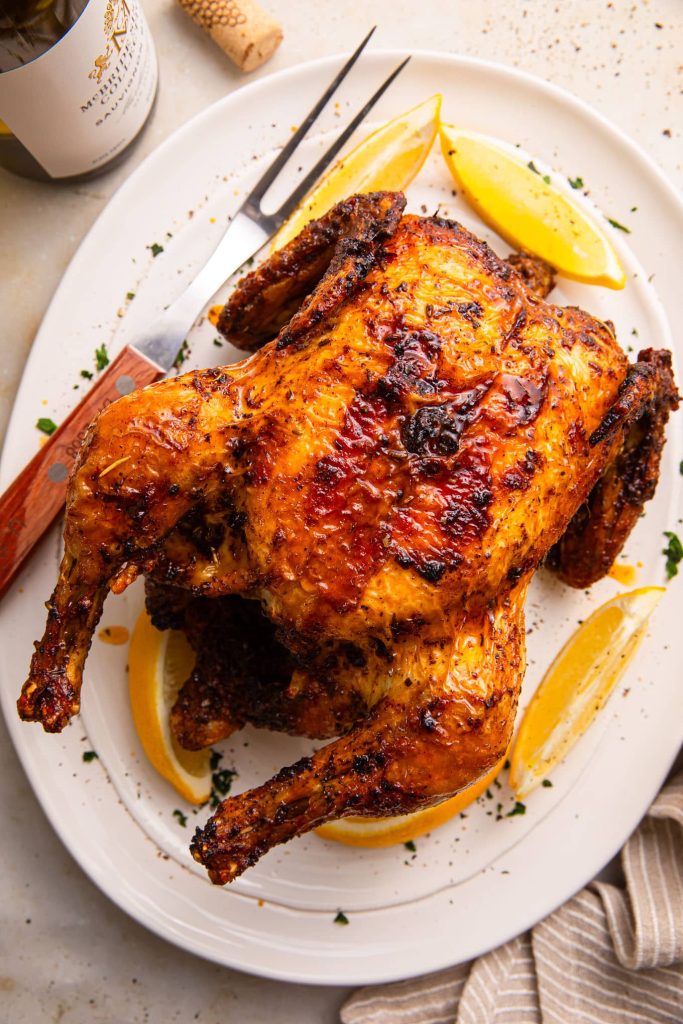
Deep frying a whole chicken delivers a phenomenal combination of intensely crispy skin and unbelievably juicy meat. The secret lies in understanding the process, managing oil temperature, and ensuring safety. This guide provides everything you need for a successful deep-fried chicken experience.
Why Deep Fry a Whole Chicken?
While seemingly daunting, deep frying a whole chicken offers advantages over conventional methods. The high heat and quick cooking time lock in moisture, resulting in a bird that’s both succulent and delightfully crispy. Plus, the sheer novelty of a perfectly deep-fried chicken is a crowd-pleaser.
Essential Equipment and Ingredients
Whole Chicken (3-4 lbs): Choose a fresh or fully thawed chicken.
Deep Fryer or Large, Heavy-Bottomed Pot: A propane deep fryer is ideal, but a large pot (at least 30 quarts) works if carefully monitored.
Cooking Oil (Peanut or Canola): Peanut oil is preferred for its high smoke point and neutral flavor. Use enough to fully submerge the chicken (around 4-5 gallons for a 30-quart pot).
Meat Thermometer: Crucial for monitoring the internal temperature of the chicken and the oil temperature.
Timer: To accurately track cooking time.
Pot Holders and Oven Mitts: For safe handling of hot equipment.
Long Tongs or Skimmer: For lowering and retrieving the chicken.
Paper Towels: For draining excess oil.
Seasoning: Your favorite chicken rub or a simple blend of salt, pepper, garlic powder, and paprika.
Brine (Optional): A brine ensures even more moisture and flavor.
Preparing the Chicken for Deep Frying
Brining (Optional but Recommended)
Brining enhances both flavor and moisture. A simple brine consists of:
1 gallon of water
1 cup of salt (kosher or sea salt)
1/2 cup of sugar
Your choice of herbs and spices (bay leaves, peppercorns, garlic cloves).
Submerge the chicken in the brine, ensuring it’s fully covered. Refrigerate for 4-6 hours, or overnight for maximum benefit. Rinse the chicken thoroughly after brining.
Drying the Chicken
Thoroughly drying the chicken is paramount. Pat it dry inside and out with paper towels. This step ensures crispier skin by removing excess moisture that would create steam instead of a sear.
Seasoning the Chicken
Generously season the chicken inside and out with your chosen rub or spice blend. Ensure even coverage for maximum flavor.
Setting Up the Deep Fryer
Choosing the Right Location
Always deep fry outdoors in a well-ventilated area, away from flammable materials. Never deep fry indoors.
Oil Selection and Quantity
Peanut or canola oil are excellent choices. Ensure you have enough to completely submerge the chicken, leaving several inches of space between the oil level and the top of the pot.
Maintaining a Safe Oil Temperature
The ideal oil temperature is 325-350°F (163-177°C). Use a meat thermometer to monitor the temperature constantly. Avoid overheating the oil, which can lead to smoking and a burnt taste.
The Deep Frying Process
Carefully Lowering the Chicken
Slowly and carefully lower the chicken into the hot oil using long tongs or a skimmer. Be prepared for some initial bubbling and splattering.
Maintaining Oil Temperature
The addition of the chicken will lower the oil temperature. Adjust the burner to maintain the 325-350°F range.
Cooking Time
Fry the chicken for approximately 3-4 minutes per pound. For a 3-4 lb chicken, this translates to 12-16 minutes.
Checking for Doneness
Use a meat thermometer to check the internal temperature of the chicken. The thickest part of the thigh should reach 165°F (74°C).
Removing and Draining the Chicken
Once cooked through, carefully remove the chicken from the oil using tongs or a skimmer. Place it on a wire rack lined with paper towels to drain excess oil.
Resting the Chicken
Allow the chicken to rest for 10-15 minutes before carving and serving. This allows the juices to redistribute, resulting in a more tender and flavorful bird.