By Joel Ajaiyi
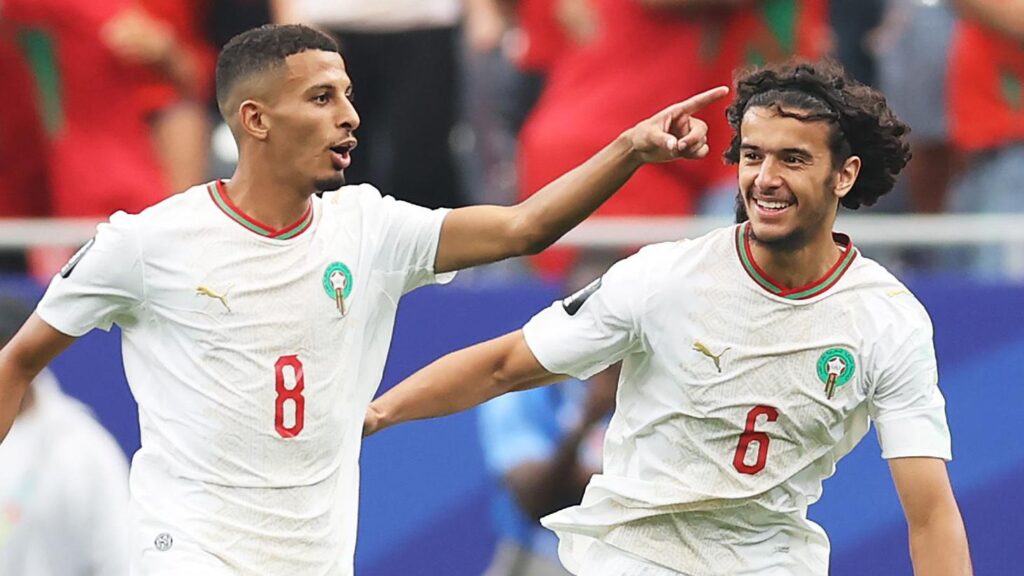
Morocco’s remarkable run at the 2026 FIFA World Cup has reinforced their status as one of the tournament’s strongest contenders, with the Atlas Lions extending their unbeaten streak to 34 matches after a commanding 3-0 victory over co-hosts Canada in the Round of 16.
Although the scoreline suggested dominance, the performance was built more on resilience than flair. Morocco managed just five shots the fewest by any team to win a World Cup knockout match on record but showcased the discipline and defensive organisation that have become their trademark.
After surviving early pressure from Canada, including key saves by goalkeeper Bono to deny Jonathan David and Tani Oluwaseyi, Morocco gradually seized control.
Captain Achraf Hakimi inspired the side at both ends of the pitch, while creative midfielder Brahim Diaz provided two assists to become the African player with the most World Cup assists.
Head coach Mohamed Ouahbi praised his team’s character, insisting they remained faithful to their football philosophy despite difficult moments.
“We never changed our identity. In a World Cup, there will always be periods of pressure, but resilience is what defines great teams,” he said.
Morocco have now reached the World Cup quarter-finals for the second consecutive tournament after their historic semi-final appearance in Qatar in 2022.
Their four World Cup knockout victories equal the combined total of every other African nation, underlining the country’s growing influence on the global stage.
Their rise has been driven by years of strategic investment led by King Mohammed VI, including the establishment of a world-class football academy and training complex that has transformed player development.
Combined with the successful integration of talented diaspora players such as Hakimi and Diaz, Morocco have become Africa’s highest-ranked team and a model for football development across the continent.
With an unbeaten run stretching back to August 2025 and confidence growing with every match, Morocco are no longer viewed as surprise package.
Instead, they have earned recognition as legitimate contenders capable of becoming the first African nation to lift the FIFA World Cup trophy, proving their success is built on vision, preparation and consistency rather than fairy-tale fortune.