A medical doctor at Lugrem Hospital, Abuja, Dr Ummusalma Faruk, has warned Nigerians against consuming mould-contaminated foods, particularly bread, due to the risk of food poisoning and allergic reactions.
Faruk gave the warning in an interview with the News Agency of Nigeria (NAN) on Tuesday in Abuja while addressing food safety concerns.
She explained that moulds are tiny fungi that grow on foods stored in warm, damp or poorly ventilated conditions.
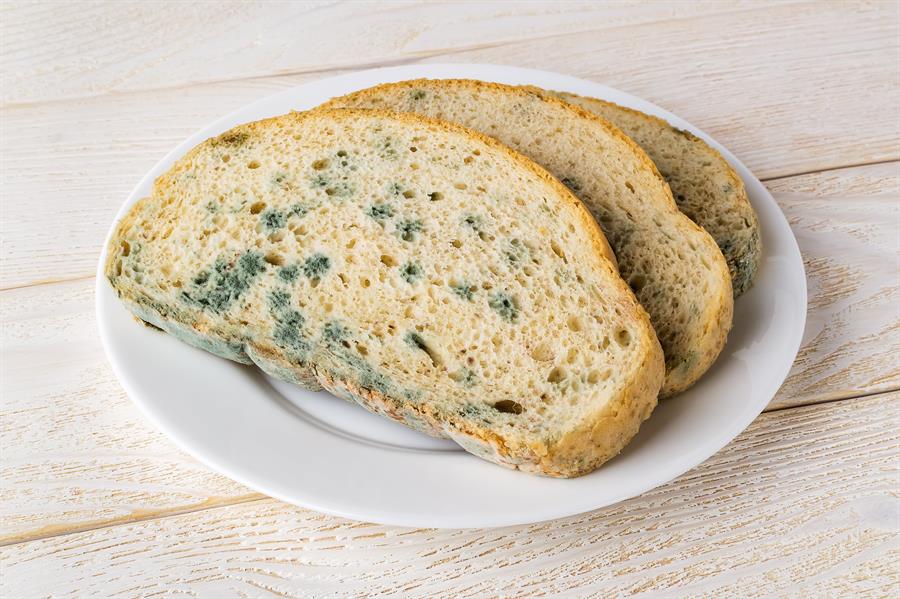
Faruk said that many people mistakenly removed only the visibly mouldy portion of bread and consumed the remaining part, believing the unaffected part was safe to eat.
According to her, the practice is unsafe because mould spores and harmful toxins may have spread beyond the visibly affected area of the food.
She explained that children, pregnant women, older adults and individuals with weakened immune systems were particularly vulnerable to health complications associated with consuming mould-contaminated foods.
The physician advised consumers to discard mouldy bread and other soft foods completely rather than cutting off the affected portion and eating what appeared unaffected.
Faruk said mould roots could penetrate deep into soft foods even when they were not visible to the naked eye, making consumption potentially hazardous.
She also urged Nigerians to store bread and other perishable foods properly by keeping them in clean, dry conditions and observing expiry dates.
“Maintaining good food hygiene at home and promptly discarding spoiled foods will help reduce food-borne illnesses and protect public health,” she said.
Faruk emphasised that proper food storage and hygiene practices remained essential measures for preventing mould growth and safeguarding public health against food-borne diseases.