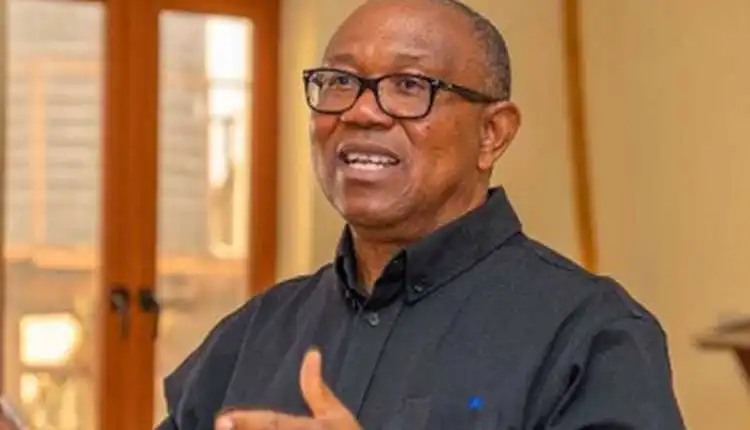
By Theodora Obayojie
Ibrahim Abdulkareem, a commentator with Advocacy For Good Governance, has described Peter Obi as one of the major political challenges facing President Bola Ahmed Tinubu ahead of the 2027 presidential election.
Abdulkareem made the assessment on Tuesday, August 11, while speaking on the organisation’s channel where he discussed the political calculations taking shape ahead of the next presidential contest.
He claimed that an alleged insider within the All Progressives Congress (APC), whom he said was a close contact, had reached out to him during a late-night conversation and disclosed concerns within the ruling party over how to contain Obi’s political influence.
According to Abdulkareem, the alleged insider claimed that the APC had not yet found a workable strategy for defeating the former Anambra State governor at the 2027 presidential poll.
Recounting the conversation, Abdulkareem quoted the contact as saying:
“Our eye in APC, called me late last night, says APC doesn’t know the formula to defeat Obi.”
Abdulkareem presented the alleged disclosure as an indication of the uncertainty he believes exists within the ruling party over Obi’s growing relevance in the opposition camp.
The claim, however, has not been independently verified, and Abdulkareem did not publicly identify the alleged APC contact.
Obi’s political position has nevertheless changed significantly since the 2023 election.
The former Anambra governor, who finished third in the 2023 presidential election under the Labour Party, subsequently became a central figure in efforts to build a broader opposition platform against the APC.
He later left the Labour Party and joined the Nigeria Democratic Congress (NDC), under which he secured the party’s presidential nomination for the 2027 election.
The development followed a period of instability within the opposition coalition that had earlier brought together Obi, Atiku Abubakar and other political figures under the African Democratic Congress (ADC).
The opposition realignment has remained one of the major features of preparations for the 2027 election. Reuters reported in May that the coalition suffered a setback after Obi and Rabiu Kwankwaso withdrew from the ADC arrangement, raising fresh concerns about opposition fragmentation and the possibility of another split vote against Tinubu.
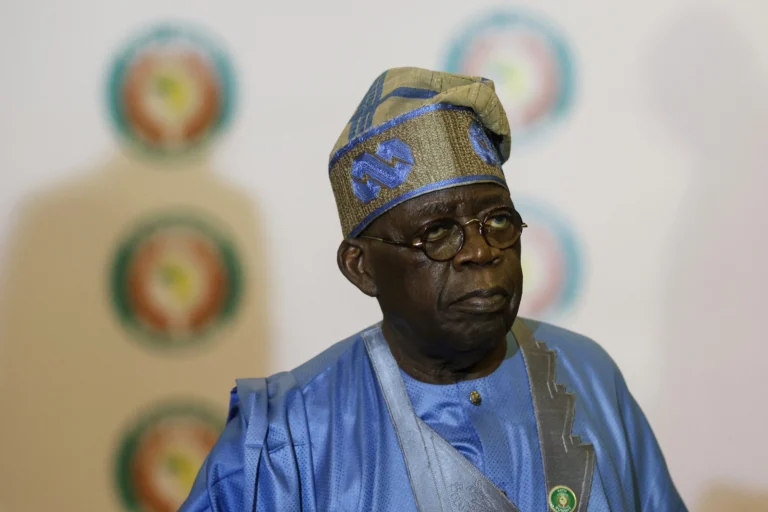
Obi’s subsequent decision to contest under the NDC has now placed him directly in the presidential race against Tinubu, who is seeking a second term.
The political significance of Obi’s candidacy is partly rooted in his 2023 performance. He secured more than six million votes in that election and built a strong support base, particularly among younger voters and supporters of the Obedient movement.
His return to the presidential contest has consequently remained a subject of considerable discussion among political parties and analysts.