By Joy Onu
The Federal Government has urged Nigerians to take greater responsibility for their health through early disease detection, healthy lifestyles and timely access to medical services, stressing the need to strengthen preventive healthcare to improve national health outcomes.
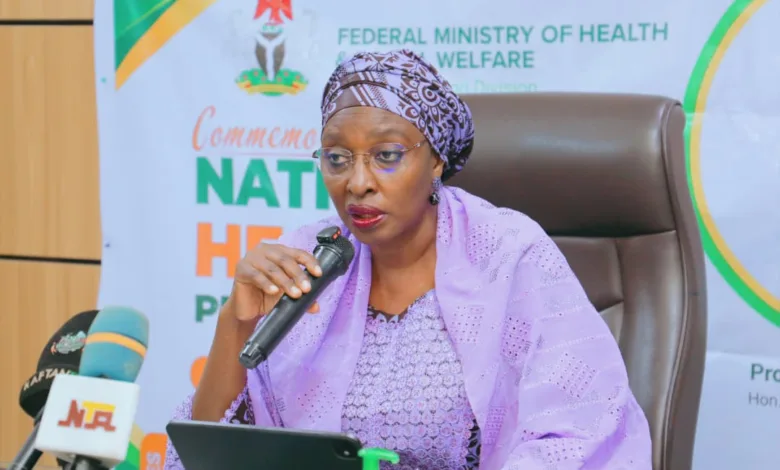
The Coordinating Minister of Health and Social Welfare, Professor Muhammad Ali Pate, made the call at the 2026 National Health Promotion Day commemoration in Abuja, where he emphasised that improving public health requires individual commitment alongside effective healthcare systems.
Represented by the ministry’s Permanent Secretary, Daju Kachollom S. mni, Pate delivered the keynote address at the event, themed “Health Promotion: Owning My Health,” with the slogan, “Take Charge, Live Well.”
He described health promotion as a strategic investment in Nigeria’s health system, noting that national health outcomes depend not only on hospital services but also on preventive interventions, informed personal choices and healthier environments.
Citing the 2024 Nigeria Demographic and Health Survey, the minister said under-five mortality declined from 132 deaths per 1,000 live births in 2018 to 110 in 2024.
He, however, expressed concern that neonatal mortality increased from 39 to 41 deaths per 1,000 live births within the same period, underscoring the need for stronger preventive measures, early diagnosis and improved access to quality healthcare.
Pate reaffirmed the government’s commitment to the Health Sector Renewal Investment Initiative, which prioritises maternal and child health, stronger primary healthcare, expanded immunisation, the control of non-communicable diseases and efforts to reduce the burden of HIV, tuberculosis and malaria.
He listed ongoing interventions to include hypertension detection, hepatitis elimination through initiatives such as Project 365, cervical cancer prevention and screening, improved nutrition, immunisation and measures to prevent and control communicable diseases.
He said the impact of these programmes should be assessed through measurable outcomes, including increased screening, completed referrals, access to treatment and the prevention of avoidable illnesses.
The Minister also stressed that public awareness must be matched by accessible, affordable and effective medical services, noting that people must be able to obtain screening, appropriate treatment and safe, respectful care. He described health promotion and patient safety as complementary responsibilities in building a people-centred health system.
Calling for broader involvement in health promotion, Pate urged families, schools, workplaces, traditional and religious institutions, the media, civil society organisations, development partners and the private sector to promote healthy diets, physical activity, good hygiene, mental wellbeing, vaccination and appropriate screening.
He also urged stakeholders to tackle misinformation and harmful health practices, while calling on federal, state and local governments to integrate health promotion into primary healthcare delivery, community engagement and development planning, particularly to reach vulnerable and underserved populations.
As Nigeria marked the third National Health Promotion Day, Pate encouraged citizens to seek credible health information, understand their health risks, participate in recommended screening and immunisation programmes and seek medical attention promptly when necessary.
He said the success of health promotion should ultimately be measured by lives protected, illnesses prevented and improvements in the health outcomes of Nigerians.
In goodwill messages, development partners and civil society organisations reaffirmed their commitment to supporting the ministry’s health promotion efforts and commended it for institutionalising the annual observance.
The United Nations Population Fund representative, Dr Olukunle Omotoso, highlighted the importance of community engagement, health literacy, gender equality and access to sexual and reproductive health services, particularly for women and young people.
CARE International, represented by Oluloto Ebenezer, also pledged continued support for community-based initiatives aimed at changing health-related behaviours.
The Africa Health Budget Network and other stakeholders emphasised the importance of family planning, healthy nutrition and routine screening for hypertension and diabetes.
The Permanent Secretary, Kachollom, urged participants to take advantage of screening services provided at the venue as part of efforts to encourage early detection and greater personal responsibility for health.