By Joel Ajayi
Microsoft has highlighted the potential of Artificial Intelligence (AI) in helping African farmers and governments navigate climate uncertainty, improve agricultural productivity and strengthen food security.
Dr Girmaw Abebe Tadesse, lead of Microsoft’s AI for Good Lab in Nairobi and a member of the UN Independent International Scientific Panel on AI, said unpredictable rainfall, prolonged dry spells and recurrent flooding were disrupting farming seasons across Africa, including Nigeria.
In an emailed statement at the weekend, Tadesse said these challenges were compounded by limited access to timely and reliable climate information, making it difficult for farmers to plan planting seasons and protect their livelihoods.
He stressed that AI could help translate climate information into practical decisions, enabling farmers to anticipate weather risks and improve agricultural resilience.
“As climate variability intensifies, the challenge is no longer simply accessing climate information, but translating it into practical, timely decisions that protect agricultural productivity, strengthen resilience and safeguard livelihoods,” he said.
According to him, Microsoft’s Probabilistic Bias Correction approach uses machine learning to correct recurring errors in existing weather models, improving forecasts and helping farmers make informed decisions about planting and agricultural inputs.
However, he noted that climate information must be adapted to local conditions, including soil quality, crop varieties, water availability and farmers’ experiences.
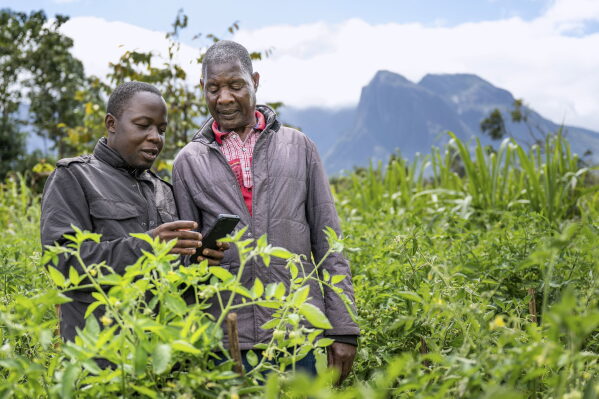
Highlighting Nigeria’s efforts, Tadesse cited the Digital Climate Advisory Services initiative involving the Nigerian Meteorological Agency (NiMet) and MTN Nigeria, which uses mobile technology to provide location-specific weather information to farmers.
He also referenced technology-driven agricultural insurance and climate-risk management initiatives involving Pula, Leadway Assurance, Bayer Foundation and government partners, targeting about 250,000 smallholder farmers across eight states.
Tadesse said language barriers, connectivity costs and limited digital literacy remained challenges to delivering climate information effectively.
He highlighted initiatives such as LINGUA Africa and AgroLingua Africa, which are exploring AI-powered agricultural information in local languages, including Hausa, Yoruba and Igbo.
He urged African governments and development partners to invest in agricultural data systems, affordable connectivity, training and responsible data-sharing.
According to him, AI cannot prevent droughts or replace irrigation, but it can help farmers and governments anticipate climate risks and respond more effectively.
He said Africa’s agricultural future would depend not only on predicting rainfall but also on equipping farmers and governments to act on available information before climate challenges become crises.