

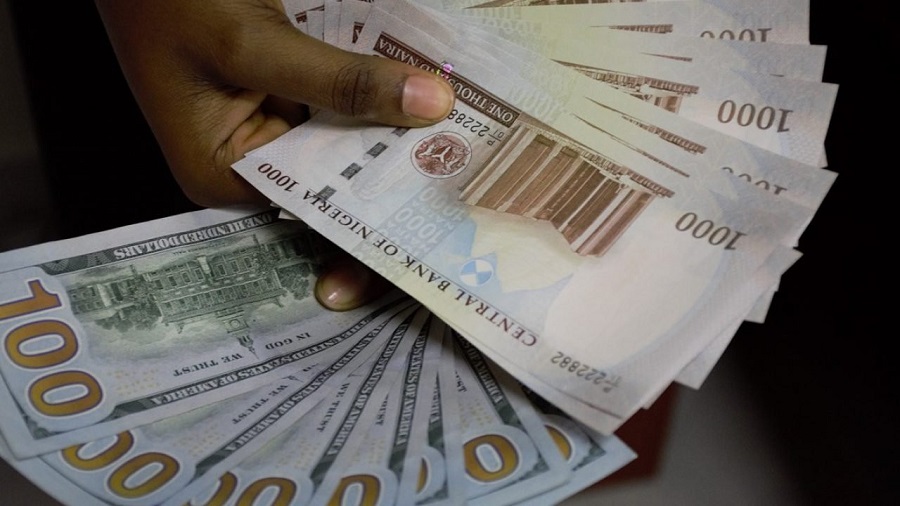
According to a policy brief by Agora Policy, Nigeria lost 70% of its oil earnings to Domestic Crude Allocation (DCA) between 2010 and 2022.
According to this month’s study, “Cancelling domestic crude oil allocation is Nigeria’s surest path to easing the forex supply crunch,” as of 2010, 94% of the foreign exchange flows to the Central Bank of Nigeria (CBN) came from oil and gas. By June 2022, however, that percentage had dropped to 24%.
This occurs when President Bola Tinubu ordered that the Nigerian National Petroleum Company Limited (NNPCL), which now handles the responsibility, receive all proceeds from the sale of crude oil.
According to an unverified allegation, NNPCL would provide CBN with crude oil receipts for verification and documentation as part of the new agreement.
Experts remarked that the action is consistent with the present government’s decision to take a different course.
The report observed that with the drastic reduction in oil production and shift in arrangements from joint ventures (JVs) to Production Sharing Contracts (PSCs), most of the federation’s share of produced crude oil is channelled to DCA, which has dramatically risen from below 10 per cent of federation’s share of oil in the early 2000s to almost 100 per cent by 2023.
In particular, the report claimed that forex flows are detrimental to the nation’s ability to survive, particularly in the present.
“It is a major issue because the Central Bank of Nigeria (CBN) is deprived of a consistent and robust flow of foreign money from what was formerly its main source: the sale of crude oil. Revenue from DCA sales is received in Naira. The paper said that as of 2010, oil and gas flows contributed 94% of the CBN’s foreign exchange, but by June 2022, that percentage had dropped to 24%, and it is likely considerably lower now.
The President’s decision to ensure that all oil funds are domiciled in the CBN may likely be the magic wand in this regard, the report stated, even though there is no guarantee that the Naira payment from DCA would translate to any revenue to the Federation Account because the “NNPCL is in the habit of making upfront deductions for sundry reasons from revenue accruing from the DCA.”
According to the dossier, the DCA is thought to be the location where NNPCL works its evil magic.
The question posed was why the DCA acts as a “mouthpiece” for the NNPCL whenever it fails to send oil revenue to the Federation Account. The response stated that “the DCA policy explains why the country’s external reserves stagnated during a period of historically high oil prices, as well as why the national oil company failed to make remittances to the Federation Account for a long spell.”
The study said, “The country’s supply of foreign exchange has not been sufficient to meet demand,” and warned that the exchange rate could not decline anytime soon.
The incoming governor of the CBN, during his Senate screening, estimated that the nation has a backlog of foreign exchange liabilities of between $4 billion and $7 billion. There was not enough foreign cash in the nation to match demand, which is why there was a backlog.
The research disapproved of the notion that the decline in foreign exchange inflows was caused by oil theft.
The paper’s thesis is that “federation’s crude was allocated to DCA at a higher rate than its direct oil exports, which were typically converted into dollar flows,” which accounts for the decreased currency flows.
The study recommended that the Federal Government stop the DCA in order to stop the bleeding.
“We contend that the DCA has outlived its purpose and that continuing to utilize it has been expensive for the nation, particularly in terms of foreign money outflows, which has weakened the value of the Naira. The DCA should be terminated, and the federation’s crude oil should be sold for export; if it is sold domestically to private refineries, the price should be expressed in US dollars. If this is done, continuous inflows of foreign cash will improve the supply of foreign exchange, give some immediate wins to address foreign exchange scarcity, and assist to preserve some level of stability for the Naira,” it submitted.



