

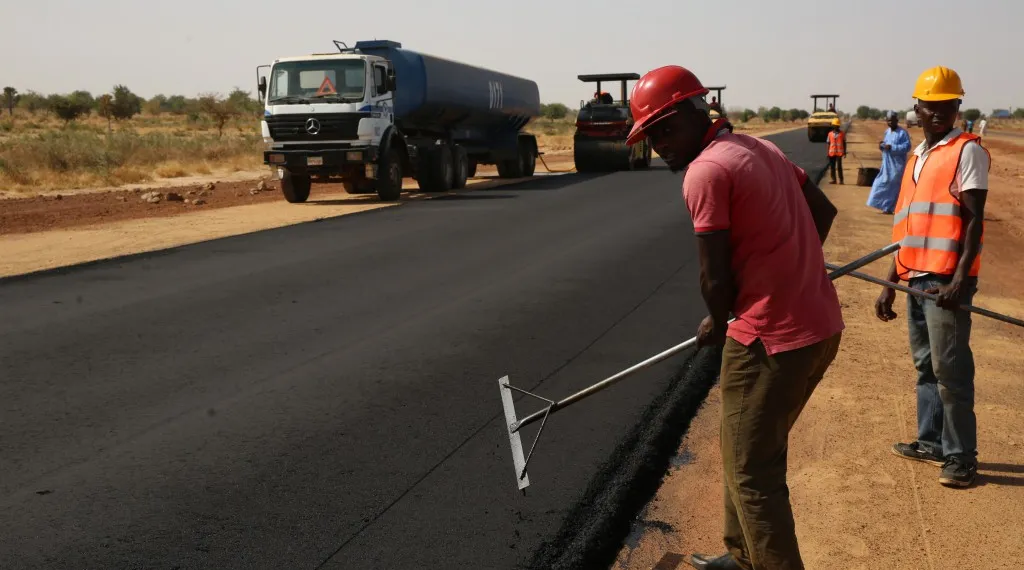
The failure to provide alternative routes during road construction in Abuja severely drains economic productivity by trapping thousands of commuters in daily gridlocks, costing the city millions in lost man-hours. Without viable diversions or adequate notice, major entry and exit points into the Federal Capital Territory (FCT) transform into bottlenecks, turning short commutes into multi-hour ordeals.
The ongoing construction and expansion of the 43.65-kilometer Abuja-Keffi Expressway aims to resolve chronic congestion. However, bottlenecks around Kugbo, Nyanya, and the demolition of the old Mararaba bridge for a ₦44 billion twin flyover project continue to cause severe gridlock, turning brief commutes into hours of delay.
Trips from satellite towns like Mararaba into the Federal Capital Territory that should take 10 minutes routinely stretch past one to three hours during peak periods.
Drivers and passengers suffer from extreme physical exhaustion, heavy vehicle maintenance costs from potholes and diversions, loss of productive work hours, and fuel wastage.
Heavy traffic idling combined with earth-moving activities exposes nearby residents and traders to high levels of dust and vehicular exhaust emissions.
Handled in sections by China Harbour Engineering Company and other construction partners, the works feature multi-lane expansions, drainage construction, and major flyovers.
Authorities have pushed for night-time construction shifts and traffic management strategies to minimise daytime bottlenecks, targeting completion phases through 2026.
When contractors block principal lanes without constructing functional bypasses, the cascading economic effects heavily impact both the public and private sectors. Workers routinely arrive at their offices late, mentally drained, and physically exhausted from sitting in traffic or walking long distances due to stranded transport. Commuters face sharply rising transport fares, excessive fuel consumption, and higher vehicle maintenance fees due to prolonged idling and stop-and-go driving.
Supply chains are delayed, and local traders operating along construction lines report severe drops in customer patronage because markets become physically inaccessible. Prolonged gridlocks create stationary targets for traffic robbers, while bad road conditions and narrow diversions increase the frequency of accidents and breakdown of heavy-duty vehicles.
Several vital arteries connecting satellite towns and neighbouring states to the Abuja city center frequently experience these disruptions.
On the Abuja–Keffi Expressway (Nyanya-Mararaba Axis) known as one of the most congested corridors, ongoing expansion works and flyover constructions has created a heavy bottleneck for commuters coming from Nasarawa State.
To balance necessary infrastructure upgrades with daily economic survival, the Federal Capital Territory Administration (FCTA) and federal ministries must enforce smarter construction management. Contractors must be legally bound to fully build and pave alternative bypasses before blocking existing lanes.
Shifting heavy engineering tasks to off-peak night hours, as ordered for sections of the Abuja-Keffi Expressway, significantly minimises daytime disruptions.
Completing long-standing backup routes, such as the Apo-Karshi road helps permanently distribute traffic volume away from primary bottlenecks.
Agencies like the FCT Directorate of Road Traffic Services (VIO) and the Federal Road Safety Corps (FRSC) must provide clear, early public notices and heavily deploy personnel to stop lane indiscipline at narrow diversion points.
Long before offices open across Abuja, residents of the suburbs and other satellite communities are already on the move, navigating what many describe as a daily struggle to get to work on time.
For thousands of commuters, the morning rush is not just about waking up early. It is also about spending more on transportation, enduring long waits for vehicles, and battling traffic congestion that can add hours to an already exhausting commute.
Many workers say they leave their homes before dawn in a bid to avoid peak-hour traffic and unpredictable transport fares. But even that often offers little relief, as the journey into the city remains uncertain.
During the rainy season, commuting becomes even more difficult. Flooded roads, muddy bus stops, and fewer available vehicles combine to worsen delays and increase transportation costs.
The New National Star posits that the lack of an organised transport system has turned the daily commute into a stressful and expensive routine. They say inconsistent fares, overcrowded vehicles, and inadequate transport infrastructure continue to affect workers, traders, and students.
For many commuters, the trip to work has become the first major challenge of the day, a journey that consumes time, drains income, and leaves them fatigued before the workday even begins.
As Abuja continues to expand, residents of suburbs such as Mararaba and other satellite communities are calling for better transport planning, improved road infrastructure, and a more organised public transportation system to ease the burden on daily commuters.



