

By Enokela Steve Odeh
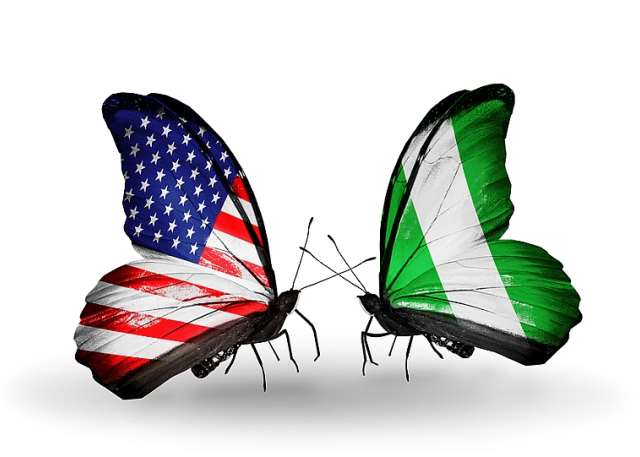
The recent resurgence of American interest in Africa, with Nigeria as a focal point, represents a significant development in contemporary geopolitical relations. Recent actions and statements by U.S. President Donald Trump have reignited debates concerning the motivations behind American involvement on the continent, particularly in the context of Nigeria’s internal security challenges and resource wealth. This essay examines the implications of these dynamics, situating them within broader global power realignments and Nigeria’s complex socio-political landscape characterized by ethnic and religious divisions, governance challenges, and economic pressures.
Through this analysis, the essay elucidates how external ambitions intersect with internal vulnerabilities, shaping Nigeria’s trajectory amid competing international interests. The resurgence of American influence in Africa is not merely the result of humanitarian concern, but rather a strategic maneuver aimed at maintaining geopolitical dominance.
The United States’ approach, characterized by a combination of military posturing and diplomatic pressure, seeks to secure access to critical natural resources such as oil, gas, uranium, and rare earth minerals. These resources are vital to sustaining the American economy and military-industrial complex.
Concurrently, the United States faces growing global competition from other powers such as China, Russia, and India, which further complicates the regional dynamics. Nigeria as the most populous country in Africa with substantial resource wealth, occupies a central position in this emerging strategic contest.
Internally, Nigeria contends with significant challenges, including entrenched ethnic and religious divisions. Political elites frequently exploit these divisions to consolidate power, thereby exacerbating social fragmentation and insecurity. This internal discord creates vulnerabilities that external powers may seek to exploit under the guise of counterterrorism or humanitarian intervention.
Former President Donald Trump’s recent threats of military intervention in Nigeria, ostensibly to protect persecuted Christian communities, have intensified these tensions. Such threats raise critical questions about Nigerian sovereignty, the politicization of religious conflict, and the potential for increased sectarianism.
Furthermore, the Nigerian government’s response, which emphasizes respect for sovereignty and a call for international cooperation within respectful parameters, reflects the delicate balance Nigeria must maintain between addressing security concerns and resisting foreign domination.
The internal political landscape is further complicated by perceptions of leadership failures. President Bola Ahmed Tinubu, among others, has been criticized for inadequate power-sharing arrangements and for neglecting the imperative of national unity. The undermining of established informal power-sharing agreements hampers the possibility of effective governance and heightens the risk of political instability, thereby inviting foreign influence.
Conclusion
In conclusion, the interaction between American strategic pursuits and Nigeria’s domestic political realities underscores the intricate challenges facing the nation. While external pressures, epitomized by threats of military intervention, may be driven by geopolitical and economic agendas, their impact is deeply mediated by Nigeria’s internal divisions and governance shortcomings.
Addressing these multifaceted issues requires a concerted effort to strengthen national unity, uphold sovereignty, and implement inclusive political reforms. Only through such multidimensional strategies can Nigeria navigate the complexities of international power competition and secure a stable and autonomous future.
The present moment thus demands both vigilance and proactive leadership to reconcile internal fragilities with external pressures.
Steve Odeh is a filmmaker, broadcaster, cultural enthusiast and a development advocate.


