

By Joy Onu
Arthritis may not always make headlines like infectious diseases or other major health emergencies, but its impact can be profound.
When untreated or poorly managed, inflammatory arthritis can cause irreversible joint damage, while severe osteoarthritis can restrict movement and independence. The consequences can extend beyond the hospital to lost income, reduced productivity and increased dependence on family members.
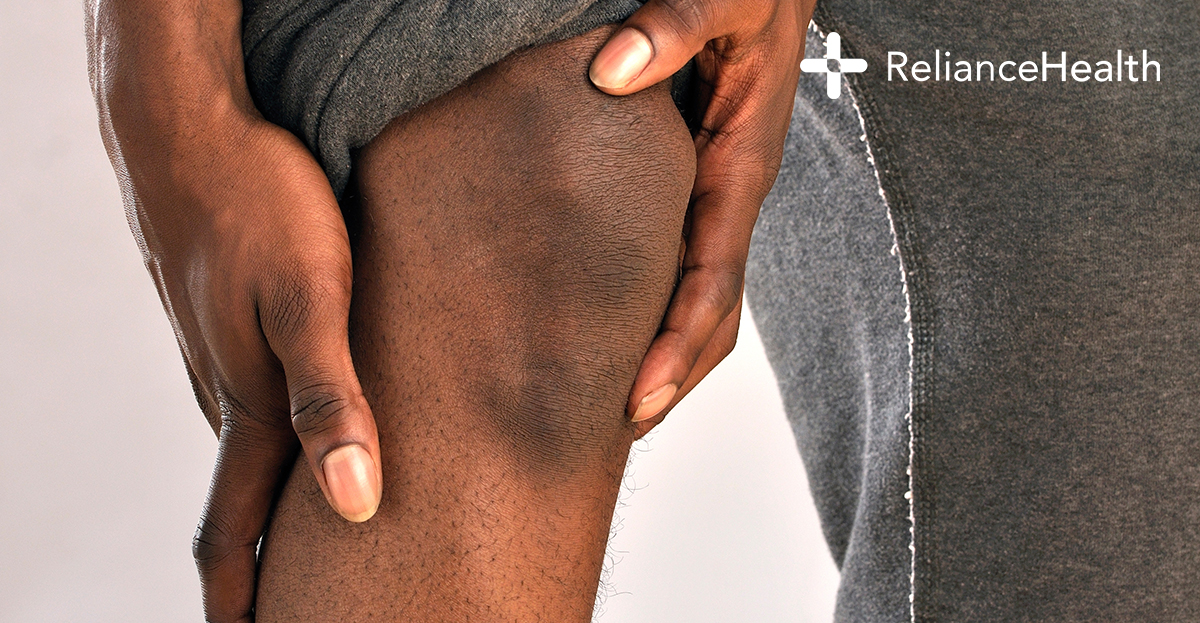
For many sufferers, however, the problem begins quietly. A painful knee is dismissed as tiredness. Stiff fingers in the morning are blamed on age. A swollen ankle is treated with a painkiller. Life continues until the discomfort becomes too persistent to ignore. In fact, that is where the danger may begin.
Arthritis is not a single disease but a term covering more than 100 conditions affecting the joints. Osteoarthritis, the most common form, develops largely through changes and breakdown in joint structures, while rheumatoid arthritis is an autoimmune disease in which the body’s immune system attacks tissues around the joints.
Other forms include gout, psoriatic arthritis, lupus-related arthritis and juvenile arthritis.
Their courses differ. Osteoarthritis often develops gradually, with pain and stiffness becoming more frequent over time. Rheumatoid arthritis can cause persistent swelling and prolonged morning stiffness and, without appropriate treatment, may damage joints and affect other parts of the body. Gout can come in sudden, painful attacks, often involving the big toe.
Globally, the burden is already enormous. The World Health Organisation says about 528 million people were living with osteoarthritis in 2019, a 113 per cent increase from 1990.
More recent Global Burden of Disease estimates put the number at about 595 million in 2020, representing a 132.2 per cent increase in total cases since 1990. Women and older people are disproportionately affected.
WHO also estimates that about 1.71 billion people worldwide live with musculoskeletal conditions, a broad category that includes osteoarthritis and rheumatoid arthritis.
Nigeria is part of this growing challenge, even though the country lacks a comprehensive national prevalence figure covering all forms of arthritis.
Dr. Uyiekpan Ima-Edomwonyi, a rheumatologist at Lagos University Teaching Hospital, has warned that the burden of rheumatoid arthritis is likely to increase in developing countries, including Nigeria.
Several factors are pushing the trend. Nigerians are living longer, increasing the population exposed to age-related osteoarthritis. Urbanisation has also changed lifestyles, with less physical activity, changes in diet and increasing weight contributing to joint problems. Previous injuries and physically demanding occupations can further increase the risk.
But the disease itself is only part of Nigeria’s problem. Access to specialist care remains a major concern.
Rheumatologists are limited and concentrated mainly in major cities, leaving people in rural and underserved communities with fewer opportunities for early specialist assessment. A patient may spend weeks or months moving from one facility to another before reaching the right specialist.
That delay can be particularly dangerous in rheumatoid arthritis, where early treatment can help prevent permanent joint damage.
Instead of seeking professional care, many Nigerians turn to self-medication. Painkillers are commonly used to manage headaches, body pains and joint discomfort, partly because medicines are more accessible than specialist consultations and partly because many people regard familiar painkillers as relatively harmless, but pain relief is not the same as disease control.
A person with early rheumatoid arthritis may take painkillers repeatedly and experience temporary relief while the underlying inflammation continues. By the time the person finally receives a proper diagnosis, valuable time may have been lost.
Long-term or inappropriate use of some non-steroidal anti-inflammatory drugs can also cause stomach irritation, ulcers, gastrointestinal bleeding and kidney problems, particularly in people with existing risks or those taking other medicines.
Self-medication can therefore become a double burden, it may conceal the disease while creating new health problems.
The wider culture of inappropriate medicine use also worries health authorities. Nigeria launched its first nationally representative antimicrobial-resistance survey in December 2025, with the Federal Ministry of Health and Social Welfare, the Nigeria Centre for Disease Control and Prevention and WHO involved in the initiative. The survey is intended to strengthen evidence for policies, surveillance and treatment.
Although that initiative focuses on antimicrobial resistance, the underlying lesson applies to arthritis as well: persistent symptoms should not simply be suppressed with medicines without establishing their cause.
For people living with arthritis, the experience can be deeply personal, as patients in arthritis communities describe having to plan their days around pain, while others say people often do not understand their suffering because the condition is not always visible.
A patient, Monica Edward resident in T-Pumpy area of Lugbe, described her experience simply: “Some days, just getting out of bed is a victory.”Mrs Funmi Ojo Kuje, another arthritis patient
said, “My good days are precious.”
Such experiences show why arthritis is more than a medical diagnosis. Persistent pain can interfere with sleep, work, social activities and family responsibilities and may leave sufferers feeling isolated. Yet, arthritis does not have to mean giving up an active life.
Prevention is not possible for every type, particularly autoimmune conditions such as rheumatoid arthritis, but healthy habits can reduce the risk of osteoarthritis and help people manage symptoms.
Regular, joint-friendly physical activity is important. Walking, swimming, cycling, tai chi and appropriate strengthening exercises can improve muscle strength, flexibility and mobility.
Dr. Uzma Haque of the Johns Hopkins Arthritis Center advises patients to listen to their bodies, particularly during inflammatory flares. She also recommends that people who are new to exercise start gradually rather than suddenly undertaking strenuous routines.
Weight management is particularly important because excess weight places additional stress on weight-bearing joints such as the knees and hips. Preventing joint injuries, treating injuries promptly and avoiding prolonged inactivity can also help protect joint health.
Food, too, has a role to play. There is no miracle diet that cures arthritis, but the Mediterranean-style diet has attracted considerable attention because of evidence suggesting benefits for people with rheumatoid arthritis.
It emphasises vegetables, fruits, whole grains, beans and other legumes, nuts, seeds, fish and healthy fats such as olive oil, while limiting highly processed foods, sugary drinks and excessive saturated fats.
Clinical studies have reported reductions in inflammatory activity, improved physical function and better vitality among some rheumatoid arthritis patients following Mediterranean-style dietary interventions. The ADIRA trial also reported improvements in inflammatory markers among participants who closely followed an anti-inflammatory dietary pattern.
For Nigerians, adopting the principle does not require abandoning local foods. Beans, vegetables, fruits, whole grains, groundnuts and fish such as sardines and mackerel can all fit into a balanced eating pattern. The goal is healthier eating, not a promise of a cure.
People with gout, however, may require more specific dietary advice because certain high-purine foods and alcohol can trigger attacks. Such patients should obtain individual advice from qualified healthcare professionals.
Treatment ultimately depends on the type and severity of arthritis.
Osteoarthritis can be managed with exercise, physiotherapy, weight management and appropriate pain relief, while advanced cases may require procedures such as joint replacement. Rheumatoid arthritis often requires disease-modifying antirheumatic drugs, including medicines such as methotrexate, under specialist supervision.
Early assessment is therefore crucial. Persistent joint swelling, prolonged morning stiffness or recurring unexplained joint pain should not be left for months of self-treatment.
This is where the government has an important role, hence, the Federal Ministry of Health and Social Welfare and its partners need to give arthritis greater visibility within Nigeria’s non-communicable disease and primary healthcare agenda. Public education should explain the warning signs and discourage people from treating persistent joint symptoms indefinitely with painkillers.
Awareness should extend beyond major hospitals to radio, television, schools, workplaces, markets, religious centres and rural communities.
Primary healthcare workers should be trained to recognise suspected inflammatory arthritis and refer patients early. Government should also strengthen rheumatology services in teaching hospitals and establish accessible arthritis and musculoskeletal clinics or referral centres in underserved regions, supported by physiotherapy, rehabilitation, diagnostics and specialist care.
The Nigerian Society of Rheumatology, universities, development partners, civil society organisations and patient groups can support this effort through training, research, advocacy and public education.
WHO’s wider work on musculoskeletal health also stresses the importance of rehabilitation and integrating care for these conditions into health systems.
For the government, the challenge is not simply to tell Nigerians to seek treatment. It is to make appropriate treatment easier to reach and affordable.
For healthcare workers, early recognition can prevent years of avoidable suffering.
For families, arthritis should not be dismissed simply because the sufferer looks healthy.
And for Nigerians living with persistent joint pain, the message is clear: pain should not merely be silenced; its cause should be found.
A swollen finger may be more than ageing. Morning stiffness may be more than tiredness. Repeated knee pain may be more than the unavoidable price of getting older.
Arthritis may begin quietly, but its consequences can be loud, affecting health, income, independence and family life.
With early diagnosis, appropriate treatment, safe physical activity, healthier diets, responsible medicine use and stronger health services, many people living with arthritis can remain mobile and productive.



