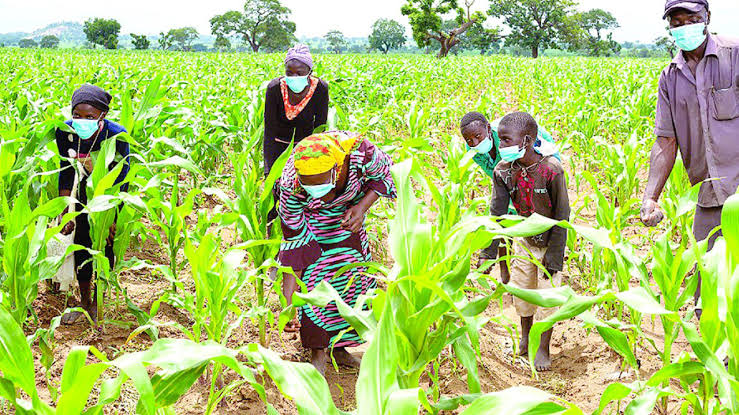
Stakeholders have identified digital technology as a major driver of transformation in Nigeria’s agricultural sector, saying improved access to digital tools can increase farmers’ incomes and enhance household welfare.
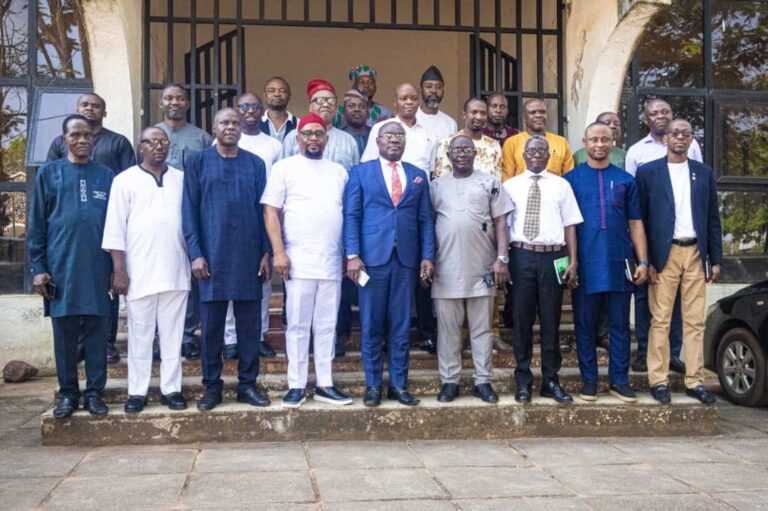
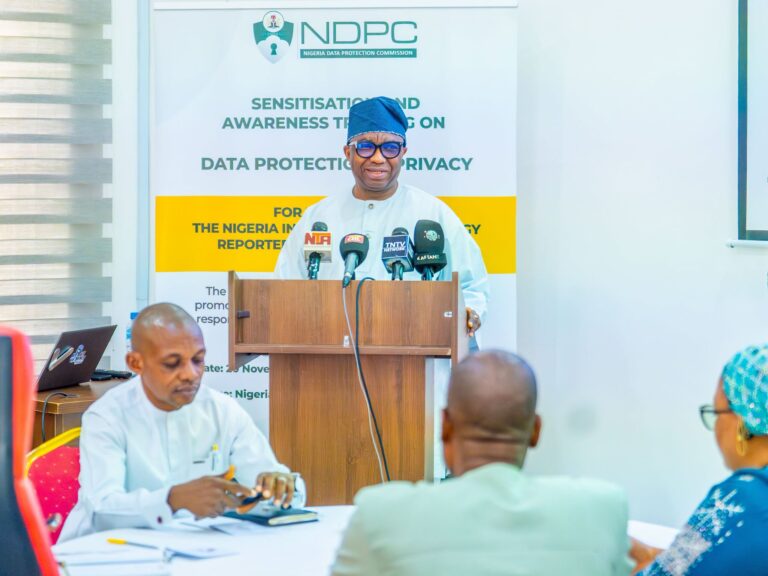
The stakeholders spoke on Monday at the fourth Annual Conference of the Federal College of Animal Health and Production Technology, Ibadan, themed: “Innovating for the Future: Integrating Science, Smart Agriculture and Emerging Technologies for Sustainability and Global Prosperity.”
The guest speaker, Prof. Babasola Olugasa, Dean, Faculty of Veterinary Medicine, University of Ibadan, said internet connectivity was increasingly enabling farmers to access critical agricultural information.
Olugasa said digital platforms were connecting farmers to markets, financial services, extension advice and other livelihood opportunities.
He said digital technologies enabled farmers to obtain timely information on weather conditions, input availability, market prices, production practices and potential buyers.
According to him, research using Nigeria General Household Survey data showed that internet usage improved farm and non-farm income, while also reducing household poverty and food insecurity and improving dietary diversity.
He, however, identified poor connectivity, affordability and limited digital literacy as major barriers to the wider adoption of digital technologies among farmers.
The lead paper presenter, Prof. Kayode Salman, also of the University of Ibadan, said digital farming was no longer a future concept but a reality already transforming agriculture.
“If digital farming is the destination, internet usage is one of the critical roads that takes farmers there,” he said.
Salman cited platforms such as Hello Tractor as examples of digital solutions helping farmers access agricultural machinery.
Earlier, Dr Moshood Popoola, Provost of the college, said agriculture was facing challenges including climate change, population growth, food insecurity, animal diseases, rising production costs and declining natural resources.
He said technologies such as Artificial Intelligence, machine learning, precision agriculture, biotechnology, drones, robotics and data analytics were changing agricultural production.
Popoola urged institutions to produce digitally literate, innovative and entrepreneurial graduates capable of solving real-world agricultural problems.
On his own, the Chairman of the Local Organising Committee Dr Mutiat Salawu, said the conference provided an opportunity for researchers from different disciplines to collaborate in addressing Nigeria’s complex agricultural challenges.