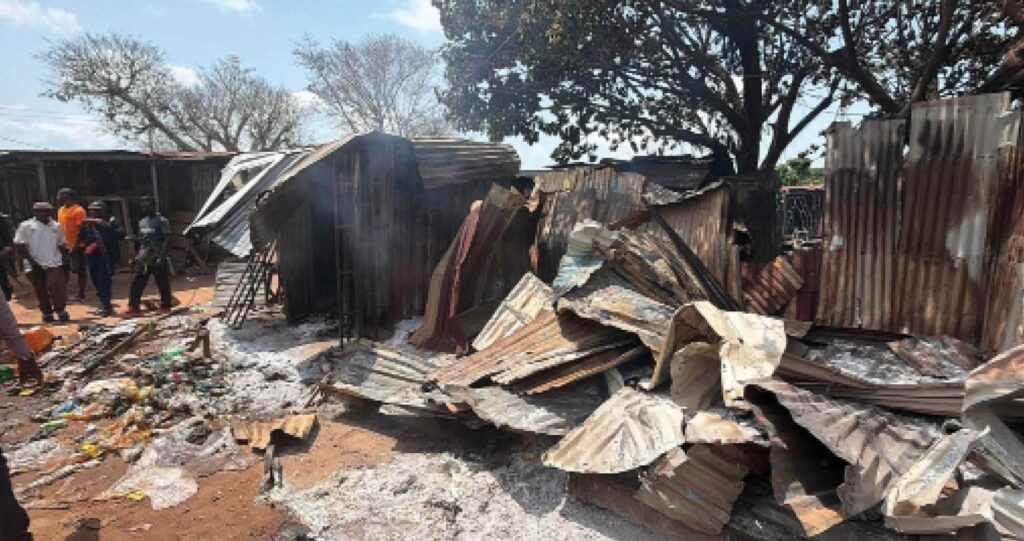
The recurring clashes between farmers and herders in the Federal Capital Territory (FCT) demand urgent attention before it escalates into a more devastating situation thereby affecting livelihood, peace and food security.
What may begin as a disagreement over farmland, grazing routes, crop destruction or access to water can quickly degenerate into violence, leaving families traumatised, communities divided and agricultural production severely disrupted.
The FCT, widely regarded as the administrative heart of Nigeria, must not allow the conflict between these two important contributors to the nation’s economy to undermine its rural communities.
Beyond its magnificent government buildings, expanding estates and commercial districts, Abuja depends on surrounding farming communities for the production of food consumed by residents.
Protecting farmers, managing livestock movement and preventing violence must, therefore, become a priority for the FCT Administration and relevant security agencies.
Farmer-herder conflict is not a new challenge in Nigeria. Across several states, disputes over land use, grazing, water resources and damaged crops have triggered confrontations, sometimes resulting in injuries, deaths, displacement and destruction of property.
The FCT is not immune to these tensions, particularly in rural communities where farming and livestock rearing take place in close proximity.
When cattle enter cultivated farmland and destroy crops, the consequences can be devastating. Crops painstakingly nurtured for months may be consumed or trampled within hours.
In some cases, disputes over compensation or accusations of deliberate destruction can provoke retaliatory attacks, transforming a manageable disagreement into a cycle of violence.
The greatest danger is that isolated incidents may spread beyond the immediate parties involved. When communities resort to reprisals, innocent residents, including women, children and elderly people, become vulnerable.
Fear can force families to abandon their homes and farms, while insecurity disrupts local markets, transport and other economic activities.
However, it is important to distinguish between peaceful herders and individuals responsible for criminal acts. Collective blame will not resolve the crisis. Those who destroy crops, threaten farmers or engage in violence must be held accountable based on credible evidence, regardless of their occupation or identity.
For many smallholder farmers in the FCT, agriculture is more than an occupation; it is their primary source of income and their means of survival. They invest their limited resources in seeds, fertilisers, labour, land preparation and other inputs, often with the hope of repaying loans and providing for their families after harvest.
When livestock destroy crops, investments disappear overnight. A farmer who loses cassava, maize, yam or vegetable farm may have no alternative source of income to fall back on. Some are forced to borrow money to begin again, while others abandon farming because the risks have become unbearable.
The situation becomes more painful when affected farmers cannot obtain fair compensation or access an effective mechanism for resolving disputes. Delayed intervention can deepen resentment and encourage self-help, making future confrontations more likely.
Farmers should not choose between cultivating their land and protecting their lives. Equally, herders who depend on livestock for their livelihoods need lawful access to suitable grazing resources, water and markets. A sustainable solution must recognise legitimate interests while firmly rejecting intimidation, destruction and violence.
The implications of farmer-herder conflict extend far beyond the affected communities. Nigeria is already grappling with rising food prices, high agricultural production costs and other pressures on household purchasing power. Any additional disruption to food production in the FCT could worsen the burden on consumers. Especially as neighbouring states are engulfed in banditry that have scared farmers away from their farms. The authorities should do everything possible to prevent the farmer-herder crisis so as to avert food insecurity.
When farmers abandon their fields because of insecurity, the quantity of food available in local markets may decline. Reduced production can increase dependence on supplies transported from distant locations, raising transportation costs and exposing consumers to further price fluctuations.
For the FCT, whose population continues to grow, protecting agricultural production is essential. Food security cannot be achieved through policies and announcements alone; it requires safe farmland, reliable access to markets, functioning rural infrastructure and peaceful coexistence among agricultural communities.
The FCT Administration must move beyond reactive interventions and establish a comprehensive strategy to prevent farmer-herder conflicts. The first step is to strengthen early-warning systems through collaboration among traditional rulers, community leaders, farmers’ associations, herders’ representatives, security agencies and local authorities.
The government should promote practical, lawful arrangements for livestock management, including suitable grazing areas where feasible, access to water and designated livestock routes established through consultation with affected communities and in accordance with applicable laws. Such arrangements must respect farmers’ land rights and should not be imposed without considering local conditions.
Also, a transparent and accessible compensation mechanism should be developed for verified crop damage. Community mediation panels involving credible representatives of both farmers and herders can help settle disputes before they become violent. Where criminal offences occur, however, mediation must not replace lawful investigation and prosecution.
Traditional institutions and religious leaders also have an important role to play in discouraging inflammatory statements, promoting mutual respect and rebuilding trust. Peace agreements must be monitored, while offenders should face appropriate consequences.
The FCT cannot afford to wait until farmer-herder disputes produce another major humanitarian and economic crisis before acting. Every destroyed farm represents lost income, wasted investment and food that may never reach the market. Every violent confrontation threatens lives, community relations and public confidence in government.
The responsibility for preventing this crisis rests with the FCT Administration, security agencies, community leaders, farmers and herders themselves. Government must provide effective institutions, impartial justice and quick dispute resolutions and compensation paid immediately, while both groups must respect one another’s rights and reject violence.
Ultimately, farmers and herders should not be treated as enemies competing for survival. They are important participants in Nigeria’s food system whose livelihoods can be protected through responsible land management, dialogue and the rule of law.
The time to act is now. Preventing farmer-herder conflict in the FCT is not merely a security concern; it is an investment in peace, rural prosperity and the food security of Abuja and Nigeria at large.