

By David Adudge-Ani
The Federal Government has announced plans to create a sustainable framework for self-reliance in financing essential health services in Nigeria, following recent cuts in foreign aid for key health programmes.
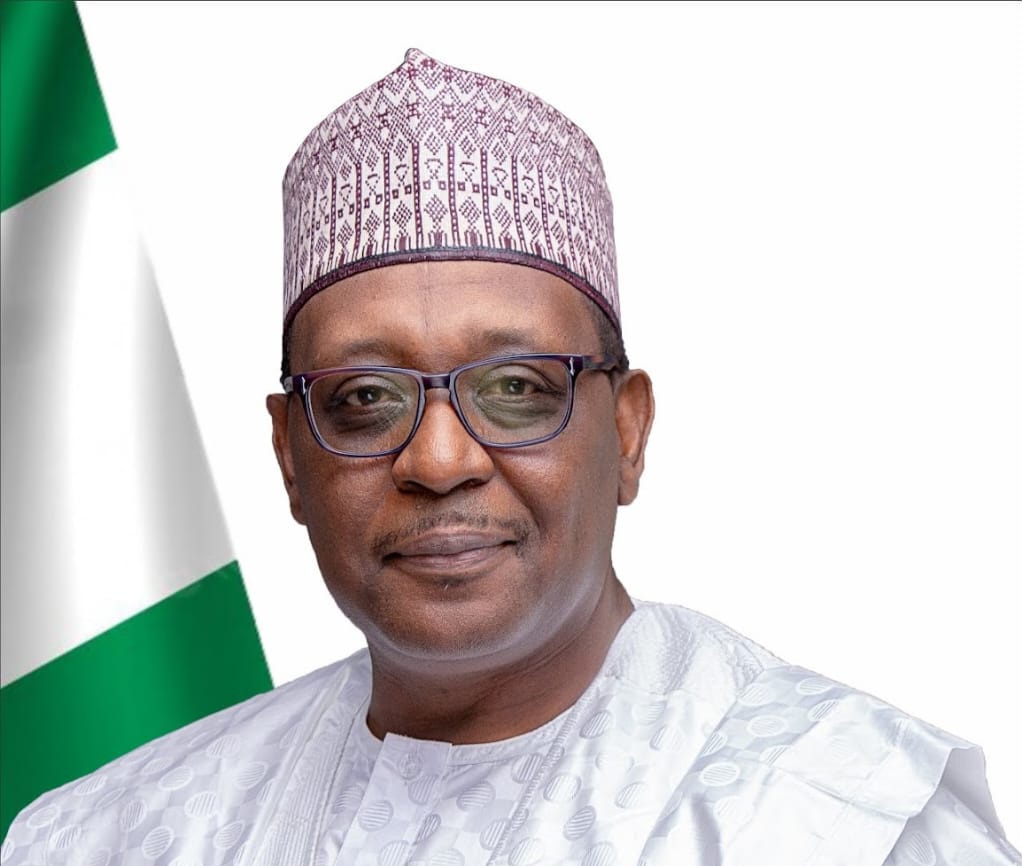
Speaking at a national workshop on HIV/AIDS, tuberculosis, and malaria in Abuja, Coordinating Minister of Health and Social Welfare, Professor Muhammad Ali Pate, stressed the urgency of strengthening local health institutions.
“For over two decades, Nigeria has benefited from the generosity of external partners, who have provided financial support, commodities, equipment, and technical expertise. However, the shifting funding landscape makes it imperative to build country-led systems and assume full programme ownership to secure long-term impact.
We cannot rely on external funders to invest in the health and well-being of our own people. We must invest more of our resources to take care of our people,” Pate said.
The minister urged state governors to commit a portion of the additional revenues generated from current fiscal gains towards essential commodities and programme costs. He also highlighted the need for improved governance and coordination through mechanisms such as the sector-wide approach.
Pate disclosed that the National Health Insurance Authority (NHIA) is working to strengthen payment systems and expand the Vulnerable Group Fund under the Basic Health Care Provision Fund (BHCPF). He added that pilot programmes backed by the Global Fund could, if successful, pave the way for more affordable insurance models for HIV, TB, and malaria.
“We have learnt that the US government will supply certain commodities over the next three to six months, giving us a buffer. But we are working to step up procurement and, in time, manufacture these items locally,” he said.
The minister explained that the workshop was aimed at charting a course for self-reliance in the health sector, while exploring options for sustainable financing and greater efficiency.
“While we appreciate decades of donor support, we must increasingly take responsibility for the health of our people,” he added.
The technical working group is tasked with identifying immediate funding gaps and developing intermediate and long-term sustainability plans to reduce dependence on external aid.
Speaking earlier, the Director-General of the National Agency for the Control of AIDS (NACA), Temitope Ilori, said the committee was convened in response to the evolving global funding environment.
“We aim to take full ownership of the national response to TB, malaria, HIV, and related programmes, including maternal and child health. This means leveraging existing government structures and securing domestic resources to ensure no one is left behind,” she said.
Ilori added that the workshop sought to co-create solutions, evaluate policy, and ensure Nigeria was firmly in the driving seat of its health agenda.
“The government is not only reactive but also responsive and responsible,” she said.



