BY NGOZI A NWANKWO
To tap from huge financial gains of effective sorting of waste, the German Development Agency (GIZ) has unveiled a transformative high-tech device to improve waste disposal management
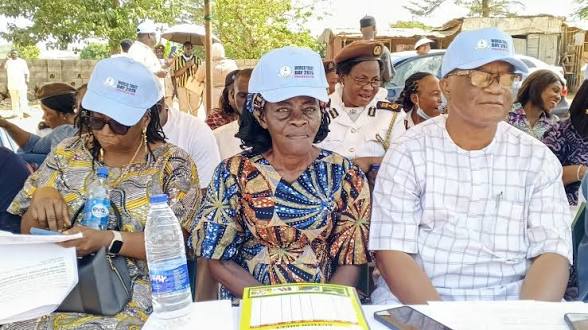
The event which was described as a transformative waste disposal management had in attendance officials of GIZ, top dignitaries from plastic manufacturing companies, WAPAN members and other stakeholders.
Explaining the motive of the launch of the project and device, GIZ representative, Markus Wauschkuhn said GIZ recognised the potential in the waste management sector and the environmental/social impact which led to the development of the device.
“Nigeria generates an estimated 32 million tonnes of solid waste annually, with a large portion ending up in landfills or informal dump sites.
“Informal waste pickers play a critical role in recovering recyclable materials, yet they often lack access to proper tools, training, and support to maximise the value of their work.
“As global and national conversations shift toward circular economies and inclusive green growth, empowering waste collectors, particularly women and youths, has become increasingly essential.
“The Sustainable and Inclusive Economic Development for Decent Employment in Nigeria programme, implemented by GIZ, is committed to supporting locally driven, inclusive economic models,” he said.
Speaking further he said, “We have also resolved to enhance productivity, improve incomes, and promote decent employment to informal workers.
“To this end, GIZ initiated a partnership with the WAPAN, German technology firm trinamiX, and BASE West Africa to promote improved waste sorting practices with handheld sorting devices.
“These devices, developed with advanced German technology and tested in Nigeria, offer a transformative solution to inefficiencies in the waste collection value chain.
“At the heart of this collaboration is a shared goal to improve the efficiency and effectiveness of waste sorting, leading to higher earnings for waste collectors through better-quality, hand-sorted materials.
Wauschkuhn also emphasised that the project would begin with a pilot phase designed to build upon insights from previous data testing efforts.