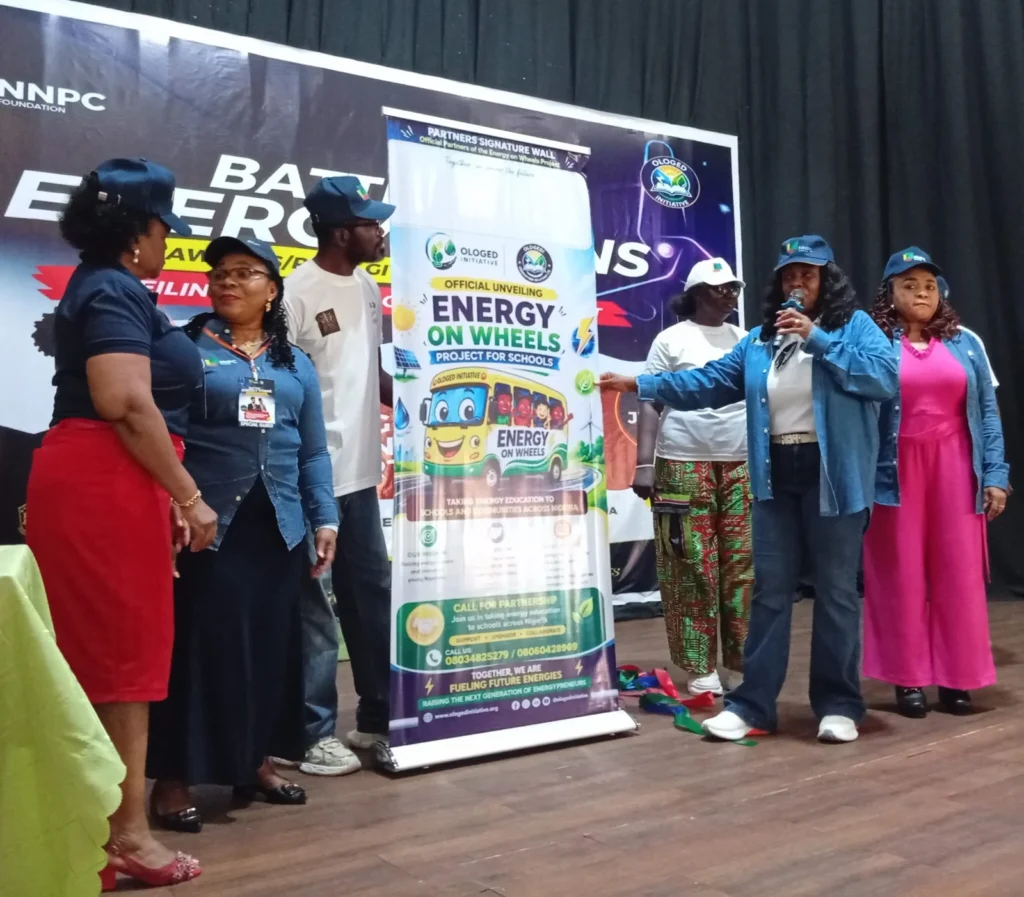
The President of Young Innovators Nigeria (YIN), Mr. Andrew Agbo, has called for stronger collaboration among key stakeholders to address Nigeria’s persistent energy challenges and accelerate the transition to sustainable energy solutions.
Speaking in Abuja on Monday, Agbo emphasized that government agencies, financial institutions, development partners, private sector operators, universities, and research institutions must work together to build a resilient and inclusive energy ecosystem capable of meeting the nation’s growing energy needs.
According to him, effective collaboration remains the most practical pathway to overcoming Nigeria’s energy deficit.
“The way forward requires collaboration. Government must focus on affordability, local manufacturing, and support for innovation,” he said.
Agbo urged financial institutions to establish dedicated clean-energy financing windows to support innovative projects, while development partners should expand funding and technical assistance for scalable local energy solutions. He also encouraged private sector players to invest in local production and distribution networks to strengthen the energy value chain.
He stressed the importance of empowering young innovators to develop homegrown solutions to the country’s energy challenges, noting that Nigerian youths possess the creativity and capacity to drive transformative change in the sector.
The YIN president said the current gas supply challenges should be viewed not only as a problem but also as an opportunity to diversify the country’s energy sources and create a more sustainable energy future.
He revealed that members of the organisation are already developing innovative solutions, including biomass briquettes made from agricultural waste, energy-efficient cookstoves, biogas digesters, waste-to-energy technologies, solar-powered cooking systems, and smart energy-monitoring devices.
Agbo noted that these alternative energy initiatives have the potential to create thousands of direct and indirect jobs while improving environmental sustainability and enhancing the quality of life for millions of Nigerians.
He therefore reiterated the need for sustained partnerships among government, academia, investors, development agencies, and the private sector to accelerate clean-energy research, commercialization, and deployment across the country.
According to him, only through collective action can Nigeria build a secure, affordable, and sustainable energy future.