

BY GLORIA AKUDORO
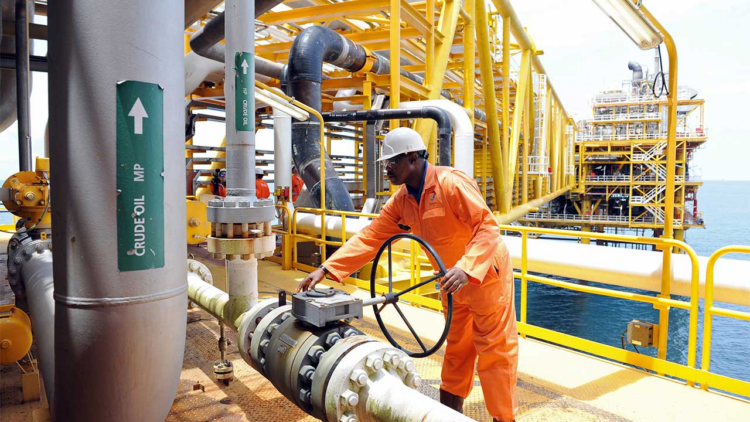
Nigeria has attracted about $8 billion in energy investments within the last 18 months and is targeting an additional $20 billion by 2029 to strengthen power supply for industries, homes, and businesses, while boosting the country’s export competitiveness.
Special Adviser to President Bola Tinubu on Energy, Olu Verheijen, disclosed this during an interview with Bloomberg on the sidelines of the 2025 Abu Dhabi International Petroleum Exhibition and Conference (ADIPEC).
Verheijen said the Tinubu administration had implemented critical fiscal reforms aimed at improving Nigeria’s investment climate and positioning the country among the top destinations for global investors. “We have done a lot to make sure that we improve the investment climate in Nigeria. The president has implemented fiscal reforms to make our market more competitive. In 2024, we were ranked among the top three investment destinations out of 14 peer countries,” she said.
According to her, a significant portion of the recent inflows has been directed toward oil and gas projects that will not only strengthen Nigeria’s energy security but also enhance industrial output and export value. “Although the bulk of investments have gone into the upstream, we have catalyzed about $8 billion in the last 18 months, largely from big international investors. The next $20 billion will come from both foreign and indigenous investors that have emerged due to these reforms,” Verheijen explained.
She added that the new wave of funding would be channeled into gas and oil infrastructure, with a strong emphasis on gas development to drive downstream industries and improve affordability and access for Nigerian businesses. “When we enable gas supply, we catalyze midstream and downstream development that will deepen access and affordability for businesses. We’re also diversifying gas exports to reduce commodity dependence while adding more value through petrochemical production and agricultural inputs,” she said.
The presidential aide noted that two major final investment decisions are expected within the next 12 months, signaling growing investor confidence in the Nigerian energy sector. “The $20 billion is a tally of commitments and potential projects we see across the value chain. It includes two major final investment decisions expected within a year,” she added.
However, Verheijen’s remarks came against the backdrop of recent tensions between Nigeria and the United States following comments by former U.S. President Donald Trump. Trump had claimed that Nigeria was experiencing a “Christian genocide” and suggested that Washington could consider military intervention or airstrikes to stop alleged killings.
Responding to the remarks, Verheijen said there was a need for greater understanding of Nigeria’s complex security landscape, stressing that the country’s conflicts were not religiously motivated. “I think there’s a lot of misunderstanding about Nigeria. There’s a small group of terrorists that conduct attacks, but it’s not based on religion. It’s important to understand and address the real root causes rather than viewing it through a religious lens,” she stated.
She emphasized Nigeria’s longstanding culture of religious coexistence, citing her own background and the president’s diverse family as proof of national tolerance. “As the president’s most senior appointee in the energy sector, I’m Christian, but the president is Muslim, and he’s married to a Christian. In both the U.S. and Nigeria, many of us coexist peacefully across religious lines,” she said.
Verheijen cautioned that inflammatory rhetoric from global leaders could threaten Nigeria’s hard-earned progress in reforming its economy and attracting global capital. “It’s unfortunate because such sentiments, especially when they come from the U.S. presidency, can jeopardize the work we’ve done to attract investment and reform the economy. This is an issue that’s not well understood, but we’re ready to engage and educate,” she said.
She reaffirmed Nigeria’s commitment to tackling terrorism through targeted, inclusive, and non-sectarian strategies, while continuing to project the nation as a model for peaceful coexistence in a diverse society. “We’ve done it before—we’ve educated global partners about Nigeria’s complexities and, more importantly, the opportunities that exist here. There’s much to learn about how our multi-religious communities live and work together peacefully,” Verheijen added.
The presidency, in a separate statement, had also dismissed Trump’s claims, maintaining that Nigeria’s security challenges cut across “all faiths and regions” and reaffirming that there is religious tolerance in the country.
As Nigeria deepens its reforms and attracts billions in new investments, Verheijen’s comments highlight both the nation’s economic resilience and its determination to counter misconceptions that could undermine global confidence in its progress.



