BY JOHN DANJUMA
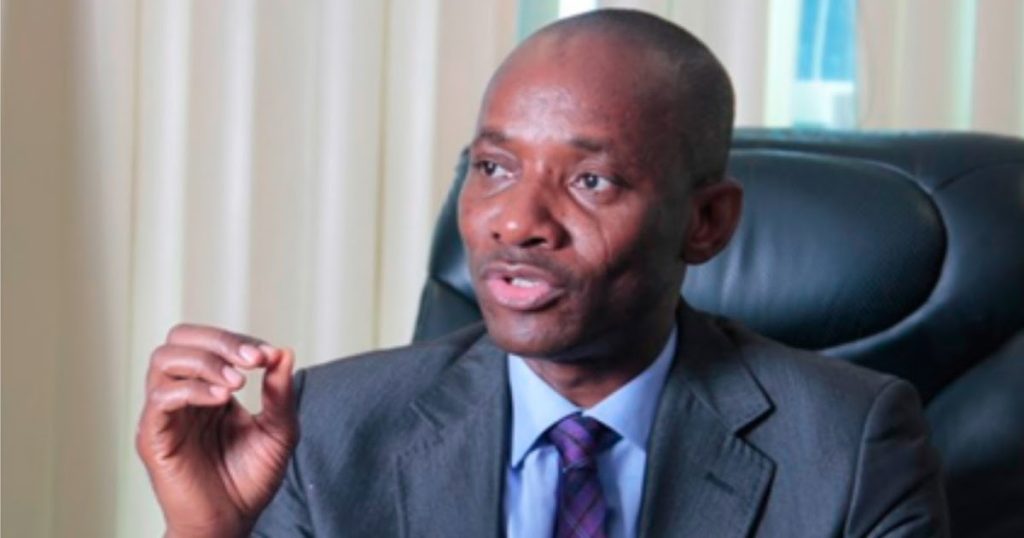
A public affairs analyst, Dr. Sam Amadi has delivered a searing verdict on Nigeria’s future, saying the country is broken — but not beyond repair — and only a ballot-driven revolution can save it.
Addressing a packed hall at the launch of a new book chronicling the 2023 presidential election, the public intellectual and policy analyst painted a stark picture of Nigeria’s trajectory.
“Nigeria is not just failing — it is contradicting itself. We’ve been diagnosing the wrong disease and fighting imaginary enemies.”
Quoting development theorist Douglass North, Amadi said the true measure of a nation lies in its poverty rate, unemployment, and inequality. And by those metrics, he argued, Nigeria is collapsing.
“By 2019, we will become the poverty capital of the world. In 2025, we’re bleeding even more. This year alone, 20 million more Nigerians are projected to fall into poverty.”
“We’re Not a Nation — We’re a Cracked Geography”
For Amadi, the roots of Nigeria’s dysfunction are deeper than bad policy. He described a country fractured by a crisis of identity — a place where ethnicity and religion are weaponized, where merit is punished, and corruption is king.
“We are not a nation. We are a fragile, manufactured geography. In such a space, excellence is sidelined, and governance becomes a trade in return tickets and ethnic arithmetic.”
In a rousing endorsement, Amadi positioned 2023 Labour Party presidential candidate Peter Obi as the clearest symbol of ethical, people-centered leadership.
“Peter Obi has the pedigree, the passion, and the personality to lead this revolution. What we need isn’t just a leader — we need a movement. A revolution of ballots, not blood.”
Amadi warned that if Nigerians fail to use their votes to rescue the country, chaos may do it for them.
“The only revolution that can save us is one rooted in values. If we don’t transform at the ballot, we will collapse by default.”
Calling for a reset of Nigeria’s political imagination, Amadi tore into elite myths: that only billionaires can win elections, that a broken INEC or judiciary is immovable, or that tribalism is inevitable.
“These are lies. Self-serving, self-reinforcing lies. Today’s technology, youth consciousness, and shifting values make it possible to build a political order beyond money, tribe, or religion.”
He praised the Obidient movement for disrupting the status quo, despite limited resources.
“They were mocked, blocked, and blackmailed — yet they won six million votes, twelve states, and changed our politics forever.”
Amadi attacked what he called “optical development,” slamming projects like the controversial coastal highway for prioritizing aesthetics over impact.
“Real development boosts productivity and human capital. Without that, all you’ve built is concrete vanity.”
He called for a return to the basics: growth, inclusion, and justice.