

By Joy Onu
The Federal Government has introduced a new intervention aimed at strengthening cancer care delivery in Nigeria by addressing the non-medical challenges that often prevent patients from accessing and completing treatment.
According to a statement signed by Ado Bako, Assistant Director, Information and Public Relations on Wednesday, the Federal Government has launched the Social Determinants of Health (SDoH) Fund for Cancer Patients, a targeted support initiative designed to assist vulnerable Nigerians undergoing cancer treatment. The programme was formally unveiled in Abuja on Wednesday, June 17, 2026, with an initial ₦50 million commitment to support patients across the country.
The initiative forms part of broader efforts by the Federal Ministry of Health and Social Welfare to complement clinical care by tackling the social and economic barriers that continue to affect health outcomes, particularly among cancer patients.
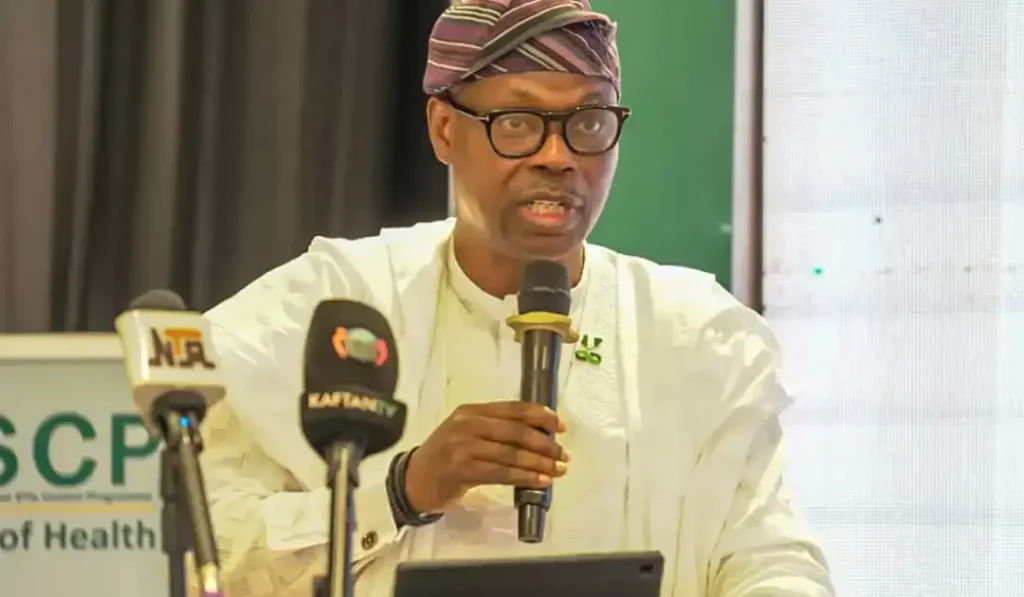
At the official launch held at Rockview Hotel, Abuja, the Minister of State for Health and Social Welfare, Dr. Iziaq Adekunle Salako, explained that the intervention was designed to reduce the indirect costs of cancer care, including transportation, accommodation, feeding, and other daily survival needs that often disrupt treatment schedules.
He noted that although Nigeria has recorded progress in expanding access to cancer diagnosis, improving treatment infrastructure, and subsidising care services, many patients still struggle to complete treatment due to financial and social pressures outside hospital settings.
According to him, these challenges remain a key driver of late presentation, complications, and poor treatment outcomes, making it necessary for government interventions to extend beyond clinical facilities.
Dr. Salako disclosed that the SDoH Fund was developed based on recommendations from the National Cancer Control Plan Technical Working Group, a multi-disciplinary body responsible for guiding Nigeria’s cancer response strategy. The group includes experts such as Professor Folakemi Odedina and Professor Malami Aliyu, working in collaboration with the National Institute for Cancer Research and Treatment (NICRAT).
He further revealed that over 600 cancer patients have already applied for support under the scheme, while more than 200 applicants have been verified through a structured screening process involving medical professionals across designated health facilities.
Each approved beneficiary will receive at least ₦100,000 to cushion the burden of non-medical expenses associated with treatment. The funds, he explained, will be disbursed directly to beneficiaries to ensure transparency, accountability, and efficient delivery.
Dr. Salako reaffirmed the commitment of the administration of President Bola Ahmed Tinubu, GCFR, to improving cancer outcomes through sustained investments in prevention, early detection, treatment expansion, and patient support systems.
He also called for stronger collaboration from the private sector, philanthropic organisations, development partners, and individuals, noting that government efforts alone cannot bridge the existing gap in cancer care financing. “This is a call for collective responsibility. We must ensure that no patient is denied treatment because of financial hardship,” he said.
Meanwhile, the Permanent Secretary of the Ministry, Daju Kachollom S. mni, described the initiative as a major shift in Nigeria’s healthcare approach, reflecting a growing recognition of the role social conditions play in determining health outcomes.
She explained that cancer patients often face multiple layers of hardship beyond their diagnosis, including loss of income, transportation difficulties, nutritional challenges, and weak social support systems, all of which can significantly affect treatment completion and survival rates.
According to her, the SDoH Fund aligns with the implementation of the Nigeria National Cancer Control Plan (NNCCP) 2026–2030 and represents a transition from policy formulation to practical, people-centred intervention.
She stressed that effective cancer control requires a whole-of-government and whole-of-society approach, where both public and private stakeholders play active roles in improving patient outcomes.
The Permanent Secretary also highlighted ongoing government investments in cancer care, including free screening programmes, subsidised treatment services, improved infrastructure, and the existing Cancer Health Fund, which has already supported thousands of Nigerians.
She noted that the new SDoH Fund complements these efforts by directly targeting the non-clinical barriers that often determine whether patients are able to complete treatment successfully. “The fight against cancer is not only about medicine; it is also about ensuring patients can withstand the social and economic realities that come with treatment,” she said.
She further appealed to corporate organisations, development partners, and well-meaning Nigerians to support the initiative, describing it as a shared responsibility in strengthening the national health system.
With the introduction of the SDoH Fund, the Federal Government says it is reinforcing its commitment to integrating social protection into healthcare delivery, ensuring that cancer patients receive holistic support, both medical and non-medical throughout their treatment journey.



