By Joy Onu
Abuja, Nigeria’s Federal Capital Territory, is facing growing environmental concerns as the rainy season intensifies, exposing weaknesses in waste management, drainage systems, and urban sanitation across the city and surrounding satellite towns.
Across several parts of the capital, including Nyanya, Mararaba, Lugbe, Karu, Kurudu and some sections of Gwarinpa, heaps of uncollected refuse, overflowing dumpsters, and blocked drainage channels have become increasingly visible, raising fears of flooding, disease outbreaks, and worsening public health conditions.
The situation, residents say, has deteriorated in recent months as population growth, irregular waste evacuation, and indiscriminate dumping continue to place pressure on Abuja’s sanitation system.
In many affected communities, rainwater now mixes with household waste and flows into streets and residential areas after heavy downpours, leaving behind foul odour and polluted surroundings.
Environmental experts warn that the condition poses serious health and environmental risks if urgent intervention is not taken.
The waste management system supervised by the Abuja Environmental Protection Board has struggled to keep pace with the rapid expansion of the capital city, particularly in densely populated satellite settlements where access to regular waste collection remains inconsistent.
Although authorities have continued sanitation operations in some districts, residents argue that the response has not matched the growing volume of waste generated daily across the territory.
Analysts also attribute the worsening situation to weak environmental compliance, inadequate drainage maintenance, and poor waste disposal habits among some residents who dump refuse into waterways and open spaces.
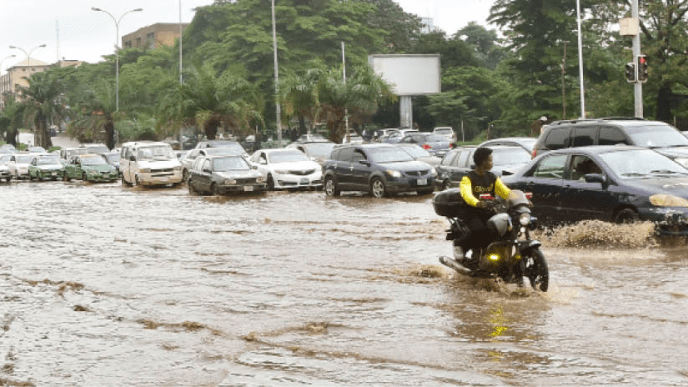
As rainfall becomes heavier, blocked drainage systems are now contributing to flooding in several low-lying communities, while stagnant water trapped around refuse dumps has created breeding grounds for mosquitoes and rodents.
Health professionals have therefore expressed concern that the environmental condition may lead to increased cases of malaria, typhoid, cholera, and rodent-related infections such as Lassa fever.
A public health physician in Abuja, who spoke on condition of anonymity, warned that poor sanitation during the rainy season often increases the spread of infectious diseases.
According to him, stagnant water mixed with decomposing waste creates unhealthy conditions capable of contaminating surrounding environments and exposing residents to preventable illnesses.
He further explained that unmanaged refuse attracts rodents searching for food, thereby increasing concerns over rodent-borne diseases in overcrowded communities where sanitation infrastructure is already under pressure.
However, residents across affected areas have continued to express frustration over the worsening environmental condition and the slow pace of intervention.
In Mararaba, Mrs. Angelina Ude said residents now live with persistent odour and fear of possible disease outbreaks due to refuse left unattended for days. “When rain falls, the drainage overflows and carries dirt into our surroundings. Sometimes the smell becomes unbearable, especially at night when rats begin to move around,” she said.
Similarly, Mr. Uchenna Okeke, a resident of Nyanya, blamed indiscriminate dumping and blocked drainage channels for the recurring flooding experienced in the area. “Even a short rainfall can leave roads flooded because many gutters are filled with waste. People throw refuse carelessly, while evacuation is not regular enough.”
In Lugbe, a commercial driver, Musa Ibrahim described the situation as discouraging for both residents and commuters, noting that some roads become nearly impassable whenever rainfall mixes with waste from nearby drainages. “You drive through dirty water mixed with garbage, and it affects both movement and the environment,” he lamented.
Also speaking, a trader in Karu, Halima Sani, called for improved sanitation services and stronger environmental monitoring within satellite communities. She said many residents are willing to cooperate with sanitation authorities but need more accessible waste disposal points and regular evacuation schedules.
Beyond the growing refuse problem, environmental stakeholders have also raised concern over increasing pressure on Abuja’s original urban structure, warning that unregulated development and encroachment on waterways are worsening environmental challenges within the capital.
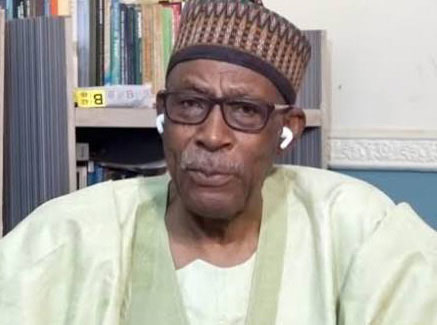
A former chairman of the Enugu Capital Territory Development Authority, Josef Onoh, recently warned that Abuja risks sliding into a deeper environmental crisis if urgent measures are not taken to address blocked waterways and poor drainage systems. According to him, repeated warnings about encroachment on natural water channels within the FCT were ignored despite growing environmental concerns.
Onoh called on President Bola Ahmed Tinubu to direct the FCT Minister, Nyesom Wike, to conduct a comprehensive audit of waterways and flood-prone areas across the territory, as he also recommended the demolition of illegal structures obstructing drainage paths, rehabilitation of damaged drainage systems, and stricter enforcement of environmental regulations to prevent further encroachment.
“If urgent attention is not given to this matter, critical infrastructure and human lives will remain at risk during heavy rainfall,” he warned.
Urban planners have similarly argued that Abuja’s environmental challenges now reflect broader concerns linked to rapid urbanisation, inadequate planning enforcement, and rising population pressure. They noted that the city’s original “garden city” concept is gradually being threatened by uncontrolled development, shrinking green areas, and poor waste handling practices.
While authorities have acknowledged some of the sanitation challenges facing the FCT, officials insist efforts are ongoing to strengthen waste evacuation, improve drainage maintenance, and enforce environmental laws.
The Abuja Environmental Protection Board has repeatedly urged residents to stop dumping refuse indiscriminately, particularly into drainage channels and waterways that contribute to flooding during rainfall.
Environmental officials also stressed that maintaining a cleaner capital city requires cooperation between government agencies, private waste contractors, and residents.
Security agencies, including the Nigeria Police Force, are also supporting enforcement operations in some areas where illegal dumping and environmental violations persist.
However, experts maintain that enforcement alone cannot solve the problem without stronger public awareness and behavioural change. They argue that residents must begin to see environmental sanitation as a collective responsibility rather than depending entirely on government intervention.
According to them, simple practices such as proper disposal of household waste, avoiding dumping refuse into waterways, and participating in community sanitation exercises can significantly reduce environmental pressure during the rainy season. They further warned that continued abuse of drainage systems may worsen flooding and sanitation conditions across the capital if preventive action is not sustained.
As Abuja continues to expand, stakeholders say the environmental situation now requires urgent and coordinated action involving government institutions, environmental agencies, health authorities, community leaders, and residents.
Without immediate improvement in waste management and environmental compliance, experts fear the nation’s capital could face more severe flooding, deteriorating sanitation conditions, and rising disease risks as the rainy season progresses.