

West Africa’s mining industry is undergoing significant transformation as governments, regulators, investors, and operators increasingly prioritise responsible mining, environmental sustainability, local participation, resilient infrastructure, and long-term asset performance.
Director and West Africa Lead for WSP in Africa, Ernest Krakani, stated this on Tuesday during a mining forum in Ghana, noting that mining in the region is becoming more regulated and increasingly tied to local economic development outcomes.
He explained that while Ghana remains a key mining hub with a strong gold mining history and deep technical expertise, the wider West African region presents a more complex operating environment. This is shaped by mature gold assets, emerging iron ore projects, infrastructure demands, energy constraints, mine closure obligations, and rising expectations for technical assurance and compliance.
According to WSP, this evolving landscape is driving demand for integrated, multidisciplinary solutions that combine global expertise with strong regional knowledge. These include environmental management, tailings governance, mine closure planning, water systems, energy solutions, infrastructure development, and operational performance optimisation.
Krakani noted that governments and regulators are placing greater emphasis on local content, environmental responsibility, proper closure planning, and equitable distribution of mining benefits.
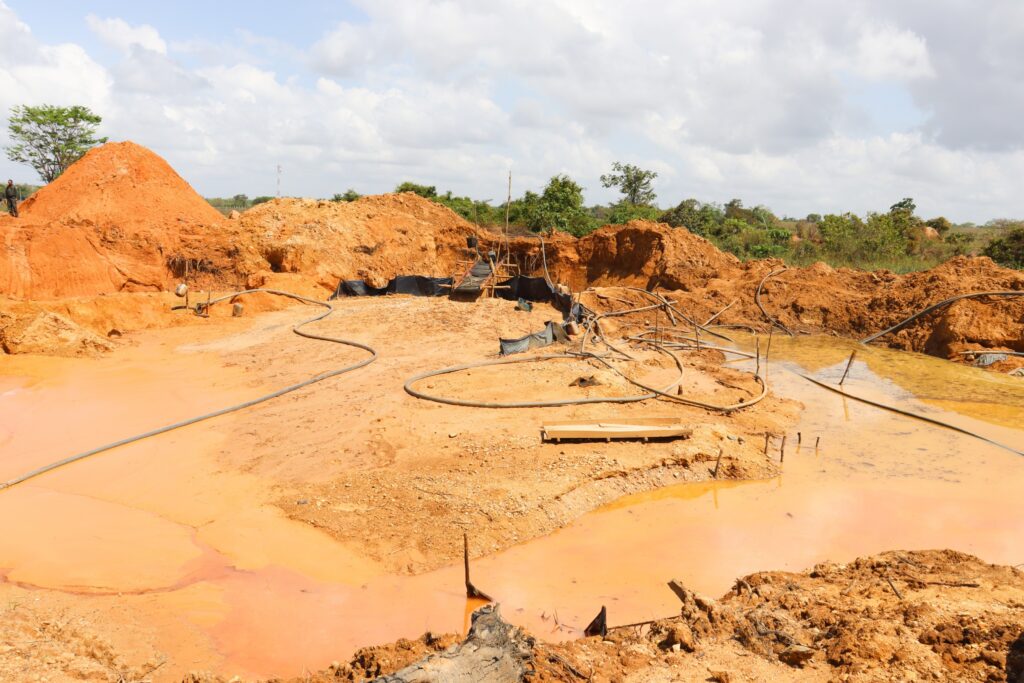
He added that mining companies now require partners capable of balancing local expectations with international standards while managing challenges such as illegal mining, security risks, political instability, rising operational costs, and global supply chain disruptions.
He stressed that West Africa’s mining potential remains strong, but success will depend on a deeper understanding of operating conditions and stronger governance frameworks that promote safety, efficiency, and sustainability.
Krakani also highlighted those technical areas such as mine waste management, tailings storage facilities, water infrastructure, environmental monitoring, and land rehabilitation are now central to mining asset planning and risk management. He noted that these elements are interconnected and can significantly influence community relations, regulatory compliance, and long-term project viability.
WSP’s mining capability in West Africa builds on the legacy of Golder Associates and integrates expertise across engineering, water, energy, environmental science, infrastructure, and digital systems. The company’s African mining division includes more than 250 multidisciplinary professionals supporting mining operations across the continent.
Krakani emphasized that WSP combines global scale with local insight to deliver tailored solutions suited to West Africa’s unique mining environment.
The company believes the next phase of mining growth will require full lifecycle support, from feasibility studies and environmental compliance to operational optimisation, infrastructure development, closure planning, and long-term asset performance management.



